Welcome to our website! Call Us: +86-18622194621 E-mail: toptac@fancyco.com
Views: 0 Author: Site Editor Publish Time: 2026-03-17 Origin: Site
Why does cigarette paper change how a cigarette burns? Many smokers focus on tobacco, yet cigarette paper controls airflow and combustion. In this article, we explore cigarette paper materials, wood pulp structure, and porosity. You will learn how cigarette paper design influences burn stability and smoking performance.
Cigarette paper is a thin specialty paper designed to wrap shredded tobacco into a cigarette rod. It looks simple. In reality it is a highly engineered material. Manufacturers design cigarette paper to control airflow, combustion speed, and structural stability during smoking and machine production.
In modern cigarette manufacturing, cigarette paper acts as the outer layer of the tobacco column. It holds the tobacco firmly in place. At the same time, it regulates how oxygen enters the burning zone. This airflow balance determines whether the cigarette burns smoothly or unevenly.
Several functions make cigarette paper essential in tobacco products:
● Structural wrapping
Cigarette paper forms the outer shell of the cigarette rod. It keeps tobacco packed evenly. This structure allows the cigarette to maintain its shape during rolling, cutting, packaging, and transportation. Without stable paper strength, cigarettes may tear or collapse during high-speed production.
● Airflow regulation
Tiny pores within cigarette paper allow controlled air passage. These microscopic channels mix air with smoke during each draw. When airflow is balanced, combustion remains stable and smoke feels smoother.
● Combustion control
Cigarette paper influences how quickly the tobacco burns. If paper burns too fast, tobacco is wasted and smoke becomes harsh. If it burns too slowly, the cigarette may go out frequently. Well-designed cigarette paper keeps the burn line even and predictable.
Another important factor is compatibility with cigarette making machines. Modern factories operate at extremely high speeds. The paper must remain strong and flexible. Even minor variation in paper quality can interrupt production or cause product defects.
Function of Cigarette Paper | Why It Matters in Tobacco Products |
Structural wrapping | Maintains shape of the tobacco rod during manufacturing |
Airflow regulation | Controls oxygen supply and smoke dilution |
Combustion management | Ensures even burning and stable ember temperature |
Machine compatibility | Allows reliable operation on high-speed cigarette machines |
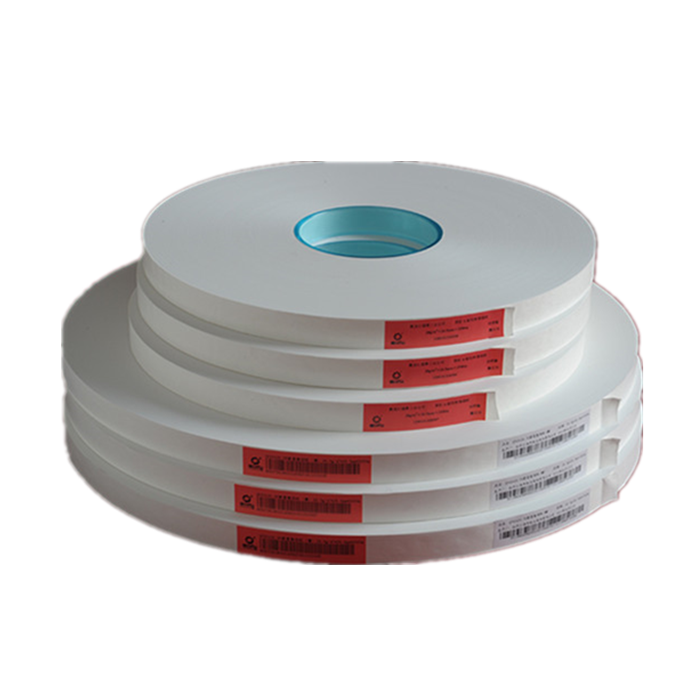
The performance of cigarette paper depends heavily on its raw materials. Different plant fibers create different pore structures, combustion properties, and mechanical strength. Manufacturers carefully choose fibers to balance airflow, durability, and burning characteristics.
Several plant-based materials are commonly used in cigarette paper production:
● Wood pulp fibers
Wood pulp is the most widely used base material for cigarette paper. It offers stable fiber structure and consistent sheet formation. The fibers bond well together, which helps produce thin yet durable paper suitable for machine processing.
● Hemp fibers
Hemp has naturally long and strong fibers. These fibers create small air channels within the paper. This structure improves natural porosity and allows steady airflow during combustion.
● Flax fibers
Flax fibers are flexible and fine. They produce lightweight cigarette paper with smooth texture. Some manufacturers blend flax with other fibers to balance burn control and paper strength.
Fiber structure plays an important role in how cigarette paper behaves. Long fibers usually improve strength and flexibility. Short fibers can help create uniform sheets but may reduce durability. By blending different fibers, manufacturers adjust the physical characteristics of cigarette paper.
In addition to fibers, small amounts of mineral fillers and burn regulators are often added during production. These materials help adjust ash structure and burn speed. The result is cigarette paper that burns evenly while maintaining the desired airflow.
Wood pulp remains the most widely used material in cigarette paper production. Many cigarette manufacturers prefer it because the fibers are clean, stable, and easy to process. When the pulp is refined, the fibers form a uniform sheet structure. This structure supports controlled airflow and predictable burning behavior.
Virgin wood pulp offers a very consistent fiber composition. It contains long cellulose fibers that bond together during papermaking. When these fibers interlock, the paper becomes thin but strong. This balance allows cigarette paper to remain lightweight while still resisting tearing during rolling and machine processing.
Several manufacturing benefits make wood pulp cigarette paper the industry standard:
● Stable fiber purity
Virgin wood pulp contains fewer impurities compared to recycled materials. Because of this purity, the resulting cigarette paper burns more evenly. Manufacturers can control ash formation and combustion temperature more precisely.
● Uniform sheet formation
During paper formation, wood pulp fibers disperse evenly in water suspension. They settle into a consistent network structure. This network creates microscopic pores that regulate airflow across the entire paper surface.
● Efficient industrial scalability
Wood pulp is widely available and compatible with large-scale paper production. Factories can produce high volumes of cigarette paper while maintaining consistent thickness and porosity levels.
The role of fiber structure in cigarette paper production can be understood more clearly through the following comparison.
Material Type | Fiber Structure | Typical Effect in Cigarette Paper |
Wood Pulp | Uniform cellulose fibers | Balanced airflow and consistent combustion |
Hemp Fiber | Long natural fibers | Higher natural porosity and strong sheet strength |
Flax Fiber | Fine flexible fibers | Thin paper structure and controlled burn |
The performance of cigarette paper is closely related to the microscopic structure of its fibers. Wood pulp fibers form a network during the papermaking process. This network determines how air moves through the paper and how heat spreads during combustion.
Fiber length plays an important role. Longer fibers tend to interlock more effectively, creating stronger paper sheets. Shorter fibers fill small gaps and improve surface uniformity. When manufacturers blend these fibers correctly, they produce cigarette paper that balances strength and airflow.
Several structural factors influence cigarette paper performance:
● Fiber bonding strength
During paper formation, cellulose fibers bond through hydrogen bonding. This bonding gives cigarette paper its mechanical strength. It allows the paper to remain stable even when rolled tightly around tobacco.
● Durability during high-speed manufacturing
Modern cigarette production machines operate extremely fast. The paper moves continuously through rollers, cutters, and shaping devices. If fiber bonding is weak, the paper may tear or wrinkle. Wood pulp cigarette paper resists these stresses due to its flexible fiber network.
● Combustion behavior
Fiber density affects how oxygen reaches the burning tobacco. When the fiber network contains evenly distributed micro-pores, airflow becomes balanced. This airflow supports stable combustion and prevents uneven burning.
A simple way to understand this relationship is to observe how fiber density affects airflow inside cigarette paper.
Fiber Structure Density | Airflow Through Paper | Combustion Behavior |
Dense fiber network | Lower airflow | Slower burn rate |
Balanced fiber network | Moderate airflow | Stable and even burning |
Loose fiber network | Higher airflow | Faster combustion |
In practice, cigarette paper manufacturers carefully refine wood pulp fibers before forming the sheet. This refinement process adjusts fiber length, surface roughness, and bonding ability. The result is cigarette paper that supports both structural durability and combustion control.
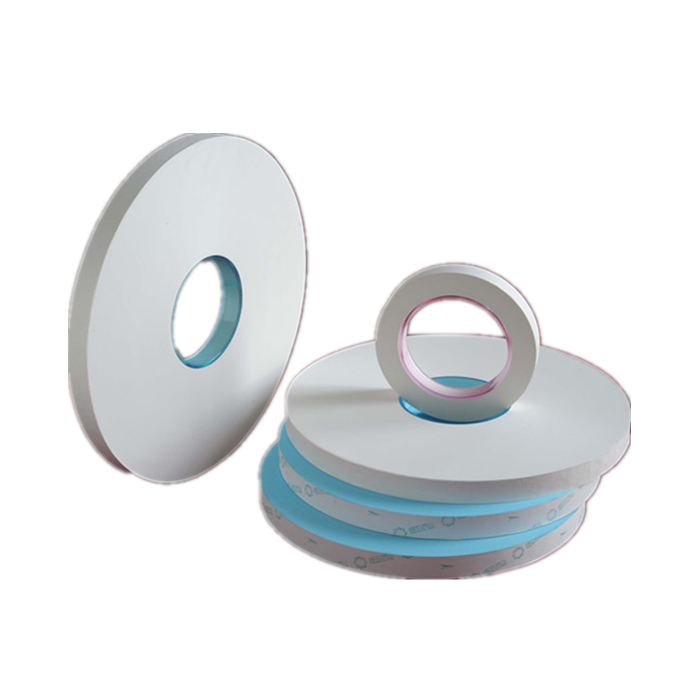
Wood pulp cigarette paper offers several advantages during cigarette manufacturing. These advantages come from the balance between mechanical strength, airflow structure, and combustion behavior.
When the fiber network is engineered correctly, cigarette paper burns at a controlled rate. Oxygen enters the burning zone gradually through the paper's microscopic pores. This controlled airflow keeps combustion temperatures within a stable range and prevents sudden burn acceleration.
Key manufacturing advantages include:
● Stable burn rate
Wood pulp cigarette paper maintains consistent combustion across the tobacco rod. The burn line remains even because oxygen enters the burning area in a controlled manner. This stability prevents uneven burning patterns during smoking.
● Balanced airflow performance
Microscopic pores formed by the fiber network allow air to mix with smoke during each draw. This ventilation moderates smoke density and temperature. As a result, the smoking experience becomes smoother and more controlled.
● Reliable machine compatibility
High-speed cigarette machines require paper that feeds smoothly through automated systems. Wood pulp cigarette paper maintains tensile strength while remaining flexible. This flexibility prevents breakage and helps maintain stable production speeds.
Porosity describes how easily air passes through cigarette paper. It comes from microscopic pores formed when plant fibers bond during papermaking. These tiny air channels regulate oxygen flow during combustion. Even small changes in pore structure can influence burn speed and smoke delivery.
In cigarette production, porosity is usually measured in CORESTA units, the standard method for testing air permeability. A higher CORESTA value means more air passes through the paper. Lower values indicate tighter paper structure and limited ventilation. This measurement allows manufacturers to design cigarette paper that matches different tobacco blends and smoking profiles.
Manufacturers monitor porosity carefully during production because it influences several factors:
● Airflow regulation
Cigarette paper pores allow oxygen to reach the burning tobacco gradually. When airflow stays balanced, combustion becomes stable and predictable. This prevents incomplete burning and improves consistency during smoking.
● Burn control
The amount of air entering through cigarette paper affects the ember temperature. Proper porosity helps maintain controlled combustion rather than rapid or uneven burning.
● Ventilation performance
Porosity contributes to the dilution of smoke as air mixes with it during inhalation. This airflow balance affects draw comfort and overall smoke intensity.
In industrial cigarette production, suppliers such as TOPTAC carefully design cigarette paper porosity so airflow remains stable across large production batches and high-speed cigarette making machines.
Porosity determines how air enters a cigarette during smoking. Air travels through the burning tobacco and also through the cigarette paper surface. These two airflow paths work together to regulate combustion temperature and smoke density.
When porosity is well controlled, oxygen reaches the burning zone evenly. This balanced airflow supports stable combustion and smooth smoke delivery. If airflow becomes restricted, tobacco may burn incompletely and produce harsher smoke.
Several effects appear when cigarette paper porosity is optimized:
● Balanced oxygen supply
Microscopic pores deliver oxygen gradually to the burning area. This helps maintain steady combustion rather than sudden temperature spikes.
● Comfortable draw resistance
Proper porosity ensures air flows easily during inhalation. Smoking feels smoother because airflow remains consistent.
● Smoke dilution
Air entering through the paper mixes with smoke. This reduces smoke density and can soften the overall smoking sensation.
Uniform airflow also prevents hot spots along the cigarette rod. When air spreads evenly across the paper surface, the burn line remains stable and the cigarette burns more uniformly.
Different cigarettes require different porosity levels. Some designs prioritize stronger smoke concentration, while others aim for lighter airflow and smoother draw. The correct porosity depends on tobacco density, moisture, and product design.
Porosity Level | Paper Structure | Smoking Effect |
Low Porosity | Dense fiber network | Stronger smoke and slower airflow |
Medium Porosity | Balanced pore structure | Even burn and comfortable draw |
High Porosity | More air channels in paper | Increased airflow and lighter smoke |
Low-porosity cigarette paper restricts air entry through the paper surface. Most oxygen enters through the burning tip. This produces denser smoke but may increase combustion temperature.
High-porosity cigarette paper allows more air to pass through the paper body. This additional airflow cools the ember slightly and dilutes smoke. The result is often a smoother and lighter smoking experience.
Manufacturers adjust porosity depending on tobacco blend characteristics and desired smoking performance. Customized cigarette paper grades help maintain consistent airflow and combustion during large-scale production.
Porosity control begins during the papermaking process. Manufacturers adjust raw materials and processing conditions to create the desired pore structure inside cigarette paper.
Several production methods influence airflow characteristics:
● Fiber blending
Mixing different plant fibers changes the spacing between fibers. Longer fibers create stronger paper structure, while shorter fibers fill gaps and regulate pore size.
● Mineral filler adjustment
Fillers such as calcium carbonate influence how fibers arrange inside the sheet. They help stabilize pore distribution and maintain consistent air permeability.
● Micro-perforation technologies
Some cigarette papers use extremely small perforations to add controlled ventilation. These perforations allow precise airflow regulation for different cigarette designs.
Cigarette paper plays a crucial role in controlling how tobacco burns. It regulates the oxygen supply reaching the ember, ensuring the combustion temperature stays within an optimal range. Typically, cigarettes burn best between 400°C and 500°C. If too little oxygen enters, incomplete combustion occurs. Too much oxygen can make the cigarette burn too fast and create harsh smoke. Microscopic pores in cigarette paper help distribute heat evenly across the tobacco rod. This maintains stable temperature and prevents hot spots, which can ruin flavor and consistency.
Balanced airflow also protects delicate compounds in the tobacco from overheating. As air moves through the paper pores, it mixes with smoke, moderating temperature. Manufacturers use this knowledge to design paper that keeps combustion predictable, even under high-speed machine production.
Controlling burn rate is essential for a satisfying smoking experience. Many cigarette papers include burn regulators and mineral fillers to stabilize combustion. These additives slow the burn slightly and produce consistent ash. Without them, the cigarette may develop uneven burn lines or “runners,” leaving some tobacco unburned. Techniques like adjusting fiber density and adding calcium carbonate ensure the ember maintains a steady pace.
The relationship between paper composition and burn rate can be summarized in the table below:
| Factor | Purpose | Effect on Burn |
| Burn regulators | Catalyze controlled combustion | Prevents flash burning |
| Mineral fillers | Adjust ash structure | Stabilizes burn and improves consistency |
| Fiber density | Pore formation control | Maintains even airflow and heat distribution |
Cigarette paper controls airflow and combustion through fiber structure and porosity. Wood pulp ensures stable paper strength and consistent burning. TOPTAC provides reliable cigarette paper solutions that support smooth airflow, stable combustion, and efficient cigarette manufacturing.
A: Cigarette paper usually uses wood pulp or hemp fibers. These materials control airflow and burning performance.
A: Porosity allows air to pass through cigarette paper. It helps regulate combustion and improves smoking comfort.
A: Cigarette paper controls oxygen supply during combustion. Proper porosity keeps the burn stable.
A: Porosity in cigarette paper is measured in CORESTA units. It indicates air permeability.
A: Manufacturers match cigarette paper porosity and thickness to tobacco blends and production needs.


