Welcome to our website! Call Us: +86-18622194621 E-mail: toptac@fancyco.com
Views: 0 Author: Site Editor Publish Time: 2026-03-17 Origin: Site
Ever wondered why some cigarettes burn more evenly than others? The answer often lies in the cigarette paper. It affects airflow, burn speed, and overall smoking experience.
In this article, you will learn the difference between cigarette paper and rolling papers. We will explain how they work and how to choose the right option.
Rolling papers are thin sheets designed for manually wrapping tobacco into cigarettes. They are commonly used in roll-your-own (RYO) smoking, where the user shapes the cigarette by hand instead of relying on factory manufacturing. Because they are lightweight and flexible, rolling papers allow smokers to control the size and density of the cigarette.
Typical characteristics of rolling papers include:
● Thin structure
They are much thinner than standard paper so they burn evenly and do not overpower the tobacco flavor. This thinness allows the tobacco to remain the dominant element in the smoking experience.
● Manual cigarette formation
Users create the cigarette shape themselves. This allows control over tobacco amount, cigarette length, and density during rolling.
● Portable format
Rolling papers are often packaged in small booklets. They fit easily in pockets or tobacco pouches, making them convenient for personal use.
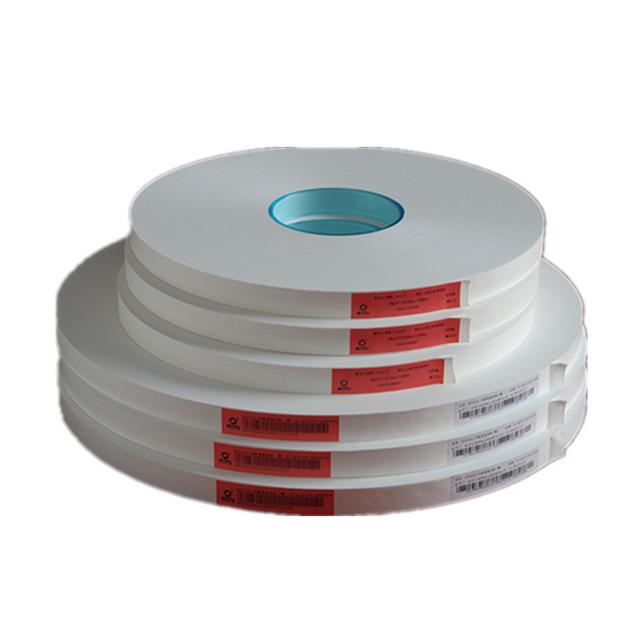
Rolling papers can be produced from several types of plant fibers. Each material influences how the paper burns, how strong it feels, and how it affects flavor. The choice of material often depends on user preference and smoking style.
Some commonly used materials include:
● Hemp paper
Hemp fibers produce durable rolling papers that burn slowly and evenly. Many users prefer them because they offer a natural texture and stable combustion behavior.
● Rice paper
Rice-based rolling papers are extremely thin and lightweight. They burn slowly and produce very little ash, which helps create a cleaner smoking experience.
● Flax paper
Flax fibers create flexible rolling papers that maintain structural strength during rolling. They help the cigarette hold its shape once sealed.
● Wood pulp paper
This traditional material is slightly thicker and easier for beginners to roll. It burns faster but offers better durability during manual rolling.
Rolling Paper Material | Key Characteristics | Burn Behavior |
Hemp | Natural fiber structure, durable | Slow and steady burn |
Rice | Ultra-thin texture | Clean and slow combustion |
Flax | Flexible and uniform fibers | Balanced burn rate |
Wood Pulp | Strong and easy to roll | Slightly faster burn |
Many smokers choose rolling papers because they provide flexibility and personal control. Instead of relying on factory-produced cigarettes, users decide exactly how their cigarette is prepared. This approach allows people to experiment and adjust their smoking preferences.
Some advantages include:
● Flexible cigarette size and shape
Rolling papers allow smokers to roll thin cigarettes, larger cones, or customized shapes. This flexibility is appealing for users who want more control over their smoking experience.
● Wide variety of paper types
Different materials influence burn speed and flavor. Some papers burn slowly for longer sessions, while others focus on maintaining the pure taste of tobacco.
● Easy to carry and store
Rolling paper booklets are compact and lightweight. A small pack can hold many sheets, making them convenient for travel or everyday use.
Because of these characteristics, rolling papers remain popular among individuals who prefer manual cigarette preparation rather than machine-produced cigarettes.
Despite their flexibility, rolling papers also present several challenges. Rolling a good cigarette requires practice, patience, and proper technique. Beginners often struggle during their first attempts.
Common limitations include:
● Rolling skill required
Hand-rolling tobacco takes time to learn. Early attempts may produce cigarettes that are too tight or too loose, which affects how they burn.
● Risk of uneven burning
If tobacco is not distributed evenly, the cigarette may burn irregularly. This can cause the cigarette to go out or burn faster on one side.
● Inconsistent cigarette shape
Because the cigarette is formed manually, each one may look slightly different. Compared to industrial cigarettes produced using cigarette paper in manufacturing systems, manual rolling cannot always achieve the same level of uniformity.
The first major difference between cigarette paper and rolling papers lies in how they are used. Cigarette paper is primarily designed for industrial cigarette manufacturing. Large tobacco factories use automated machines to wrap tobacco continuously. These machines require highly consistent paper performance, stable thickness, and precise airflow control. Because of this, cigarette paper must meet strict technical standards.
Rolling papers work very differently. They are designed for personal use in roll-your-own (RYO) smoking. Instead of machines shaping the cigarette, the user forms it manually. Tobacco is placed on the sheet, shaped into a cylinder, and rolled by hand. This process offers flexibility but depends heavily on user skill and experience.
Key differences in intended use include:
● Industrial production
Cigarette paper supports automated cigarette manufacturing. Machines can produce thousands of cigarettes per minute. The paper must feed smoothly through rollers and wrapping systems.
● Manual rolling
Rolling papers allow individuals to prepare cigarettes themselves. They are flexible and easy to carry, but consistency depends on how well the user rolls.
● Product scale
Cigarette paper supports large-scale tobacco production, while rolling papers focus on small, personal preparation.
Manufacturers and suppliers such as TOPTAC develop cigarette paper specifically for industrial production environments, ensuring reliable performance across high-speed cigarette manufacturing systems.
Another major difference involves the internal structure of the paper. Cigarette paper is engineered with carefully controlled porosity. Tiny microscopic pores allow air to pass through the paper at a predictable rate. This airflow helps regulate combustion and keeps the cigarette burning steadily.
Rolling papers, by comparison, often vary in thickness and fiber structure. Different materials such as hemp, rice, or flax influence how the paper burns. Some papers burn slowly, while others burn faster depending on the fiber composition and processing method.
Important structural characteristics include:
● Controlled porosity
Cigarette paper uses engineered micro-perforations or fiber spacing to manage airflow. This helps maintain consistent combustion across millions of cigarettes.
● Stable burn rate
In factory production, cigarette paper must burn evenly from start to finish. Uneven burning would affect product quality and consumer experience.
● Material variation in rolling papers
Rolling papers often vary in thickness and fiber composition. This allows users to choose papers based on personal preferences, but it also introduces variability.
Because combustion performance depends heavily on paper design, cigarette paper used in manufacturing environments must meet strict quality requirements.

Cigarette paper and rolling papers are also distributed in very different formats. Industrial cigarette paper is supplied in large continuous rolls designed for automated machinery. These rolls can feed directly into cigarette-making machines and operate continuously during production.
Rolling papers are packaged for consumer convenience. They are typically sold in small booklets containing multiple thin sheets. Each sheet is used to roll a single cigarette.
Typical supply formats include:
● Cigarette paper formats
○ Jumbo production rolls
○ Precision bobbins for cigarette machines
○ Customized reel widths for different equipment
● Rolling paper formats
○ Small paper booklets
○ Individual sheets
○ Pre-rolled cones in some consumer markets
These differences reflect the intended application. Industrial cigarette paper focuses on manufacturing efficiency, while rolling papers prioritize portability and ease of use.
Consistency is one of the most important differences between cigarette paper and rolling papers. In industrial production, cigarette paper must maintain the same thickness, porosity, and strength across long production runs. Even small variations can disrupt machine operation or change the burn characteristics of the cigarette.
Machine-controlled cigarette production ensures uniform results. Cigarette paper feeds through automated systems that wrap tobacco evenly and maintain consistent cigarette shape. This allows manufacturers to deliver standardized products to consumers.
Manual rolling introduces more variability. The final cigarette depends on how evenly tobacco is distributed and how tightly the paper is rolled. Even experienced users may produce cigarettes that burn differently from one roll to another.
Feature | Cigarette Paper | Rolling Papers |
Primary Use | Industrial cigarette manufacturing | Manual cigarette rolling |
Supply Format | Jumbo rolls or bobbins | Small booklets or sheets |
Combustion Control | Precisely engineered porosity | Depends on paper material |
Production Consistency | Machine-controlled uniform results | Varies based on rolling skill |
Choosing the right cigarette paper involves more than simply selecting a thin sheet of wrapping material. The structure of the paper directly affects how the cigarette burns, how air flows through it, and how stable the ash remains during smoking. Because cigarette paper plays a structural and functional role, manufacturers and users often evaluate several technical factors before making a decision.
Several core properties determine the performance of cigarette paper:
● Burn rate and combustion stability
A good cigarette paper should burn steadily from the lighting point to the end. If the paper burns too quickly, the cigarette may finish faster than expected. If it burns too slowly, it may go out during smoking. Controlled combustion helps maintain a smooth and predictable smoking experience.
● Porosity and airflow control
Cigarette paper contains microscopic pores that allow air to enter during smoking. This airflow influences smoke density and draw resistance. Balanced porosity ensures the cigarette burns evenly and prevents overheating or uneven combustion.
● Paper thickness and durability
Thickness affects both strength and burn behavior. Very thin papers burn lightly and create less interference with tobacco flavor. Slightly thicker papers provide more strength during production and rolling.
When these factors are carefully balanced, cigarette paper can maintain both structural integrity and stable combustion during smoking.
Property | Why It Matters | Effect on Smoking |
Burn Rate | Controls combustion speed | Prevents uneven or rapid burning |
Porosity | Regulates airflow through paper | Affects draw resistance |
Thickness | Determines durability and burn profile | Influences paper strength |
Understanding how cigarette paper and rolling papers are used helps determine which option is more suitable. Each type of paper serves a different purpose, and the best choice depends largely on how the cigarette will be produced.
Situations where each option works best include:
Cigarette paper is ideal when:
● Cigarettes are produced on automated manufacturing lines
● Consistent combustion performance is required
● Large production volumes are needed
● Precise paper specifications must be maintained
Rolling papers are often chosen when:
● Cigarettes are prepared individually by hand
● Portability is important
● Users prefer flexibility in cigarette size and shape
These different use cases explain why cigarette paper used in manufacturing must maintain stricter performance control compared to rolling papers designed for personal use.
Selecting a reliable cigarette paper supplier is important for maintaining stable product quality. A good supplier focuses not only on paper production but also on fiber selection, paper engineering, and strict quality testing. These elements ensure that cigarette paper performs consistently in both smoking and manufacturing environments.
Several indicators can help evaluate a cigarette paper supplier:
● Stable raw material selection
High-quality cigarette paper typically uses carefully selected plant fibers such as wood pulp, flax, or hemp. Consistent fiber quality improves paper strength and burn stability.
● Advanced production technology
Reliable manufacturers use specialized paper processing equipment to control thickness, porosity, and fiber distribution. This allows the paper to maintain uniform properties across large production runs.
● Consistent testing and quality standards
Professional suppliers perform testing for burn rate, porosity, tensile strength, and moisture levels. These tests ensure that cigarette paper maintains stable performance.
In addition, strong suppliers often provide customization options. Manufacturers may adjust parameters such as GSM, porosity levels, or roll width to match specific cigarette production requirements. This flexibility allows cigarette paper to adapt to different manufacturing systems and tobacco blends.
Cigarette paper and rolling papers serve different purposes. One supports industrial cigarette production. The other suits manual rolling. Quality cigarette paper improves burn stability and airflow. TOPTAC supplies reliable cigarette paper designed for consistent performance and efficient manufacturing.
A: Cigarette paper wraps tobacco and controls burn rate during smoking.
A: Cigarette paper manages airflow and burn stability, improving smoking consistency.
A: No. Cigarette paper supports manufacturing, while rolling papers are for manual cigarettes.
A: Quality cigarette paper improves combustion, durability, and cigarette consistency.
A: They evaluate cigarette paper thickness, porosity, and combustion performance.


