Welcome to our website! Call Us: +86-18622194621 E-mail: toptac@fancyco.com
Views: 0 Author: Site Editor Publish Time: 2026-03-17 Origin: Site
Have you ever wondered how cigarette paper changes smoking quality? Many smokers now compare clear rolling papers and traditional cigarette paper.
In this article, we explore their materials, burn behavior, and key differences. You will learn how cigarette paper influences flavor, airflow, and the overall smoking experience.
Cigarette paper is a thin wrapping material used to roll tobacco into cigarettes. It must burn evenly and slowly while maintaining structural strength. Manufacturers produce it using refined plant fibers. These fibers are mixed into pulp, formed into thin sheets, and then dried and pressed into precise thickness.
Common fiber materials used in cigarette paper include:
● Wood pulp fibers
These fibers provide balanced strength and flexibility. They allow cigarette paper to roll easily while maintaining a stable burn. Many traditional cigarette papers rely on refined wood pulp because it creates consistent paper sheets.
● Hemp fibers
Hemp fibers are known for natural composition and slower burning characteristics. They also help preserve the original tobacco flavor during smoking.
● Flax fibers
Flax fibers increase tensile strength. They reduce the risk of tearing during rolling or machine processing.
During production, manufacturers also add small mineral fillers and burn regulators. These additives influence ash stability and combustion speed. They help cigarette paper burn evenly from start to finish.
Material | Function | Effect on Cigarette Paper |
Wood pulp | Structural base fiber | Balanced burn and flexibility |
Hemp fiber | Natural slow-burning fiber | Smooth smoking experience |
Flax fiber | Reinforcement fiber | Higher paper strength |
Mineral fillers | Combustion regulator | Improves ash stability |
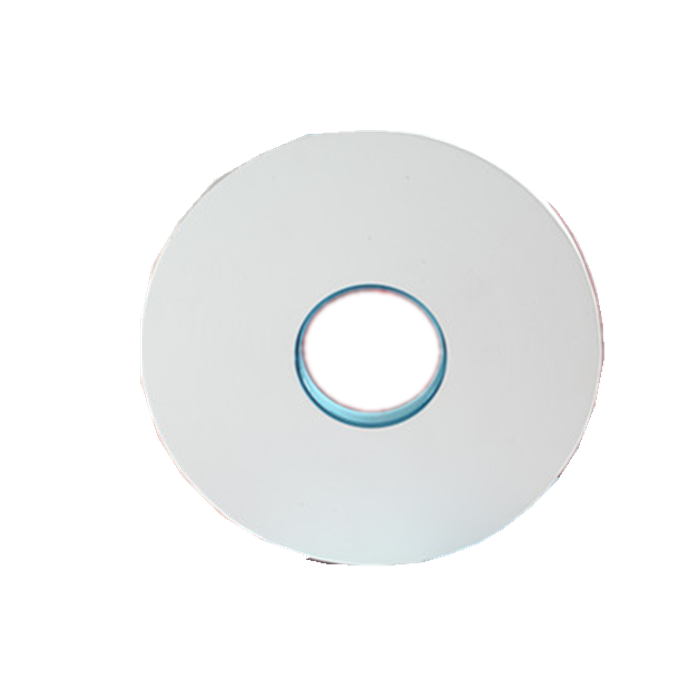
High-quality cigarette paper must meet several performance requirements. These technical properties determine how smoothly the cigarette burns and how comfortable the smoking experience feels.
● Burn rate control
Good cigarette paper burns at a steady pace. If it burns too fast, the cigarette finishes quickly and produces hotter smoke. A balanced burn rate allows longer and smoother smoking sessions.
● Porosity and airflow regulation
Cigarette paper contains microscopic pores. These pores allow oxygen to reach the burning tobacco. Controlled airflow keeps combustion stable and prevents uneven burning.
● Paper thickness and tensile strength
Thin paper helps preserve tobacco flavor. At the same time, it must remain strong enough to resist tearing during rolling or manufacturing.
● Ash appearance and stability
Stable ash keeps the cigarette structure intact during smoking. It also reflects the quality of the combustion process.
Manufacturers carefully balance these characteristics. Changes in fiber composition or porosity can influence burn behavior. For this reason, well-engineered cigarette paper remains essential for both consistent smoking performance and reliable cigarette production.
Clear rolling papers are primarily produced from cellulose, a natural polymer found in plant cell walls. Manufacturers extract cellulose from plant sources such as cotton or wood. After purification, the material is processed into thin, transparent sheets. These sheets become the base of clear rolling papers.
The process usually includes several stages:
● Cellulose extraction
Plant fibers are broken down to isolate cellulose. The purified cellulose becomes the main structural component of the paper. Although it appears plastic-like, it remains plant-derived.
● Sheet formation and transparency processing
The cellulose material is pressed into ultra-thin films. Controlled drying and pressing give the paper its transparent appearance. This structure allows smokers to see the tobacco through the paper.
● Flexibility enhancement
Small amounts of plasticizers or glycerin may be added. These ingredients improve flexibility and prevent cracking during rolling.
The materials used in clear rolling papers differ from those used in traditional cigarette paper.
Paper Type | Main Material | Appearance | Typical Structure |
Clear rolling papers | Plant cellulose | Transparent | Smooth cellulose film |
Traditional cigarette paper | Wood pulp, hemp, flax | Opaque white | Fiber-based paper sheet |
Because the material structure differs, the rolling experience also changes. Clear papers tend to feel smoother and slightly firmer than traditional cigarette paper.
Clear rolling papers offer several characteristics that distinguish them from standard cigarette paper. These features influence both appearance and smoking behavior.
● Transparent visual appearance
The most obvious feature is visibility. Smokers can see the tobacco inside the roll. Many users appreciate this modern aesthetic. It also makes the rolling process visually interesting.
● Smooth texture and durability
Clear papers often feel slightly thicker than ultra-thin cigarette paper. This thickness improves durability. It reduces tearing during rolling, especially for beginners who are still learning proper rolling techniques.
● Slower burn characteristics
Cellulose sheets often burn more slowly than some traditional papers. This slower burn can extend the smoking session. However, burn behavior may vary depending on thickness and airflow.
● Neutral flavor profile
Many smokers report that clear papers introduce little additional taste. Because cellulose does not contain strong fibers like wood pulp, it may interfere less with tobacco flavor.
These features make clear rolling papers different from standard cigarette paper used in many traditional cigarettes.
Interest in clear rolling papers has grown in recent years. Many smokers explore them as an alternative to traditional cigarette paper. Curiosity often begins with their visual appearance, but several other factors also contribute to their popularity.
● Visual appeal and modern design
Transparent papers create a unique look. Smokers can see the tobacco blend while it burns. This design stands out compared with conventional cigarette paper.
● A different smoking experience
The texture and burn characteristics feel slightly different. Some users enjoy experimenting with new materials and rolling styles.
● Exploration of alternatives
Smokers interested in different materials often compare clear papers and traditional cigarette paper. They want to see how each option affects burn behavior and flavor perception.
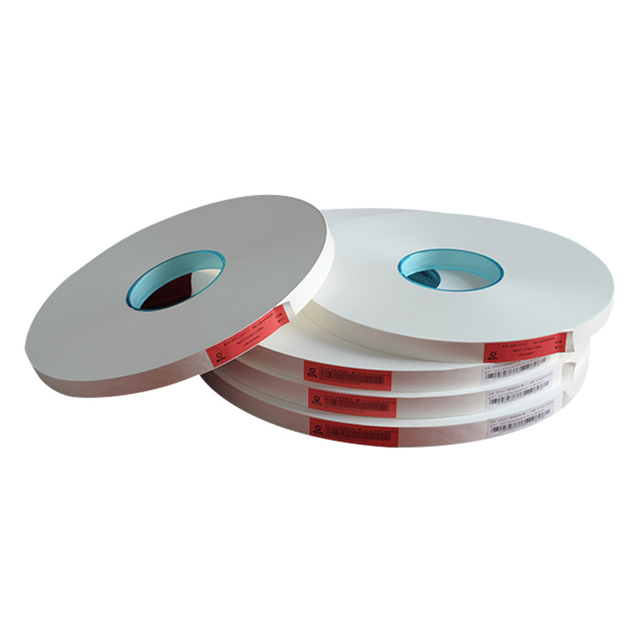
Clear rolling papers attract attention mainly because of their transparent structure. Instead of the typical opaque sheet used in cigarette paper, they form a smooth film that allows the tobacco inside the roll to remain visible. Many smokers enjoy this appearance because it creates a modern and distinctive look during smoking.
Several practical benefits explain why clear papers are gaining popularity:
● Transparent design for visual appeal
The most obvious advantage is visibility. Smokers can see the tobacco blend through the paper while it burns. This makes the rolling result look more refined and visually interesting.
● Even and relatively slow burning
Clear papers often burn at a steady pace. Their structure allows combustion to progress gradually across the roll. Some users feel this provides a longer smoking session compared with certain thicker cigarette paper types.
● Reduced paper taste in some cases
Because clear papers use processed cellulose film rather than dense plant fibers, some smokers report a cleaner taste. The paper itself contributes less flavor during combustion.
● Stronger structure compared with ultra-thin papers
Many clear papers are slightly thicker than delicate cigarette paper sheets. This extra strength helps prevent tearing during rolling, especially for beginners.
These properties make clear papers appealing for people experimenting with alternatives to traditional cigarette paper.
Feature | Clear Rolling Papers | Effect on Smoking |
Appearance | Transparent sheet | Visible tobacco inside |
Structure | Smooth cellulose film | Different airflow pattern |
Durability | Slightly thicker material | Less tearing during rolling |
Burn behavior | Often steady burn | Potentially longer session |
Despite their unique appearance, clear rolling papers also present several limitations. Some smokers find them harder to handle compared with traditional cigarette paper.
Key challenges include:
● Thicker material compared with some cigarette paper
Clear sheets usually feel firmer. While this improves durability, it can also increase the amount of paper involved in combustion. Some smokers prefer thinner paper for a lighter smoking feel.
● Different rolling technique required
Clear papers do not fold and tuck exactly like fiber-based cigarette paper. Their smooth surface requires slightly different rolling pressure and technique.
● Possible additives for flexibility
Manufacturers sometimes include plasticizers or similar ingredients to improve flexibility. These additives help prevent cracking but may concern users who prefer simple plant fiber materials.
These factors explain why some smokers experiment with clear papers but eventually return to familiar cigarette paper products.
Traditional cigarette paper remains the most widely used option worldwide. Its design has evolved over decades of tobacco production. Manufacturers refine fiber blends and porosity levels to maintain reliable combustion and consistent airflow.
Traditional cigarette paper offers several well-known strengths:
● Long history of proven performance
The technology behind cigarette paper has been refined for many years. Its structure balances burn speed, airflow, and ash stability.
● Designed for controlled combustion
Fiber networks create microscopic pores. These pores allow oxygen to reach the burning tobacco evenly. This helps maintain stable combustion.
● Wide material variety
Cigarette paper can be produced from different plant fibers such as wood pulp, hemp, or flax. These variations allow manufacturers to adjust burn behavior and texture.
● Compatible with cigarette manufacturing machines
Industrial cigarette production relies heavily on stable paper materials. Suppliers such as TOPTAC, which specialize in cigarette paper supply, develop products engineered for high-speed cigarette production lines.
For smokers who value consistency and predictable performance, traditional cigarette paper remains a dependable choice.
Although traditional cigarette paper offers many advantages, it also has certain drawbacks compared with clear rolling papers.
Several factors influence user preference:
● Limited visual novelty
Traditional cigarette paper typically appears white or slightly brown depending on fiber composition. It does not provide the transparent look that some smokers find visually appealing.
● Bleaching processes in some papers
Some cigarette papers undergo bleaching to achieve a bright white appearance. While common in the industry, certain users prefer unbleached alternatives.
● Burning behavior depends on paper design
Differences in fiber blends, additives, and thickness can influence burn speed and smoke texture. Lower-quality cigarette paper may burn unevenly or produce unstable ash.
Several practical elements influence how cigarette paper performs during smoking. These details affect rolling comfort and the overall smoking session.
● Material composition
The fiber or base material plays a major role in how cigarette paper behaves. Traditional papers usually rely on plant fibers such as wood pulp or hemp. These fibers create a porous structure that allows steady airflow. Clear rolling papers rely on cellulose film. It creates a smoother surface and different burn dynamics.
● Burn speed and smoking duration
Burn rate determines how long the cigarette lasts. Thinner cigarette paper often burns slowly and evenly. Heavier or thicker materials may burn slightly faster or produce more paper smoke. Many smokers prefer balanced combustion that allows a steady smoking pace.
● Paper thickness and rolling convenience
Thin cigarette paper improves flavor clarity but can be fragile. Thicker paper rolls more easily but may introduce a slightly stronger paper presence in the smoke. Beginners often prefer papers that are easier to handle during rolling.
These characteristics interact during smoking. Changing one property can affect the others. Manufacturers therefore design cigarette paper carefully to maintain stable performance.
Selection Factor | What It Affects | Practical Impact |
Material composition | Burn structure | Influences airflow and flavor |
Burn speed | Smoking duration | Determines session length |
Paper thickness | Rolling convenience | Affects durability and handling |
Flavor and smoke smoothness often guide the choice of cigarette paper. Different paper structures influence how tobacco aromas travel through the smoke stream.
Traditional cigarette paper uses fiber networks that create microscopic air channels. These pores allow oxygen to reach the burning tobacco evenly. Because of this structure, many smokers feel traditional cigarette paper preserves the natural tobacco flavor more effectively.
Clear rolling papers behave differently. Their cellulose sheet structure contains fewer fiber pores. This creates a smoother surface and slightly different airflow pattern. Some users appreciate the clean burn and neutral taste. Others notice subtle differences in smoke texture.
When comparing the two options, smokers often evaluate several aspects:
● Flavor preservation
Many smokers feel fiber-based cigarette paper allows tobacco aromas to develop naturally during combustion.
● Smoke smoothness
Balanced porosity helps control heat and smoke density. This can make the smoke feel softer in the throat.
● Airflow and combustion comfort
Paper porosity affects how easily air passes through the roll. Proper airflow keeps the burn stable and prevents uneven combustion.
These differences explain why experienced smokers often experiment with several types of cigarette paper before deciding which works best for them.
There is no single answer to this question. The better choice depends on smoking preference, visual appeal, and performance expectations. Both clear rolling papers and traditional cigarette paper offer distinct advantages.
Clear rolling papers may appeal in situations such as:
● When smokers want a transparent aesthetic that shows the tobacco inside.
● When people enjoy experimenting with new rolling styles or materials.
● When visual presentation becomes part of the smoking experience.
Traditional cigarette paper remains widely used for several reasons:
● It provides predictable burn performance.
● The porous fiber structure supports stable airflow and combustion.
● Many smokers trust its consistent flavor delivery.
Balancing appearance and performance becomes the key decision point. Some smokers enjoy the novelty of clear papers. Others stay with traditional cigarette paper because it delivers familiar burn behavior and dependable smoking comfort. Manufacturers and suppliers in the tobacco industry continue refining cigarette paper materials to meet both expectations.
Clear rolling papers look modern and burn slowly. Traditional cigarette paper offers stable airflow and reliable combustion. Many smokers still prefer classic paper. TOPTAC supplies high-quality cigarette paper designed for consistent burning and dependable smoking performance.
A: Cigarette paper wraps tobacco and controls airflow and burn rate.
A: Clear papers look unique, but cigarette paper offers more stable burning.
A: Yes. Thin cigarette paper usually preserves natural tobacco flavor better.
A: Many choose cigarette paper for consistent combustion and smoother smoke.
A: Yes. Industrial cigarette paper supports stable high-speed cigarette manufacturing.


