Welcome to our website! Call Us: +86-18622194621 E-mail: toptac@fancyco.com
Views: 0 Author: Site Editor Publish Time: 2026-03-17 Origin: Site
Choosing the right cigarette paper can shape product quality. Many buyers compare branded rolling papers and OEM supply. Each option serves different markets.
In this article, we explore how cigarette paper types differ. You will learn what matters for wholesale buyers. We also explain how manufacturers choose the right cigarette paper.
Cigarette paper is a specially engineered thin paper used to wrap tobacco in cigarettes or hand-rolled products. It looks simple, yet it performs several technical roles during smoking and cigarette production. The structure, fiber composition, and airflow of cigarette paper directly affect combustion behavior. Because of this, manufacturers and wholesale buyers treat cigarette paper as a functional component rather than just a wrapper.
Several characteristics determine how cigarette paper performs in real smoking conditions:
● Burn rate control
The paper determines how fast the cigarette burns. Paper structure and additives regulate oxygen supply to the tobacco.
● Airflow regulation
Microscopic pores allow air to enter the cigarette. Proper airflow stabilizes combustion and improves smoke consistency.
● Ash structure
Minerals within cigarette paper influence how ash forms and stays attached during burning. A stable ash column indicates balanced combustion.
For wholesale buyers or tobacco manufacturers, understanding these functional properties is essential. High-quality cigarette paper improves product consistency and reduces machine interruptions in high-speed cigarette production lines.
Cigarette Paper Property | Function in Smoking | Impact on Product Quality |
Porosity | Controls airflow through the paper | Stabilizes combustion and draw resistance |
Basis weight (GSM) | Determines paper thickness | Influences burn speed and paper strength |
Additives | Regulate ash and burn rate | Improves smoking consistency |
Tensile strength | Ensures mechanical durability | Prevents tearing during machine processing |
The composition of cigarette paper determines its strength, burn behavior, and visual appearance. Most cigarette paper is produced from carefully refined plant fibers. These fibers are processed into extremely thin sheets that still maintain enough strength to withstand handling and machine rolling.
Several natural fiber sources are commonly used:
● Wood pulp
One of the most widely used raw materials. It offers stable structure and reliable manufacturing performance. Wood pulp cigarette paper often balances strength and burn control well.
● Hemp pulp
Hemp fibers are long and durable. They help produce thin yet strong cigarette paper. Many premium rolling papers use hemp for its natural feel and slow burning properties.
● Flax fibers
Flax creates smooth and flexible paper surfaces. It supports uniform combustion and a soft rolling texture.
● Rice paper fibers
Rice-based paper is extremely thin and lightweight. This type of cigarette paper tends to burn cleanly and produces minimal ash residue.
Each fiber type contributes different physical properties to the final cigarette paper product. Manufacturers often blend several fiber sources to reach the desired burn performance, flexibility, and durability.
In addition to plant fibers, manufacturers introduce functional additives during production. These additives are not random chemicals. They are carefully selected mineral or organic compounds designed to regulate combustion behavior.
Common functional additives include:
● Burn regulators
These compounds slow or stabilize the burn rate. They help maintain a steady ember while smoking.
● Calcium carbonate
A mineral filler used in many cigarette paper formulas. It influences ash color and improves paper opacity.
● Natural gum adhesives
Used along the edge of rolling paper sheets. They allow the paper to seal when rolled.
Elements rolling papers are widely known in the consumer smoking market. They are designed primarily for hand-rolled cigarettes rather than industrial cigarette manufacturing. Unlike factory-grade cigarette paper supplied in large reels, Elements papers are packaged as small sheets intended for individual rolling.
A key characteristic of Elements cigarette paper is its rice-based composition. Rice fibers create an extremely thin and lightweight paper structure. Because of this structure, the paper burns very slowly and produces very little ash during combustion. The paper also avoids common chemical treatments often used in standard paper processing. Instead, it relies on natural materials to maintain purity and combustion stability.
Key material characteristics of Elements rolling papers include:
● Rice paper fibers
Rice fibers create extremely thin cigarette paper sheets. This thin structure allows smooth rolling and slow combustion. It also reduces paper taste interference during smoking.
● Natural sugar gum adhesive
The adhesive strip seals the cigarette during rolling. Sugar gum burns cleanly and caramelizes under heat, helping maintain a consistent paper seam.
● Minimal additive formulation
Many rolling paper brands emphasize purity. Elements papers avoid chlorine, chalk, or artificial fillers, which helps maintain a clean combustion profile.
Material Component | Function in Cigarette Paper | Effect on Smoking Experience |
Rice paper fibers | Create ultra-thin paper structure | Produces slow and controlled burning |
Sugar gum adhesive | Seals the rolling edge | Leaves minimal residue during combustion |
Low additive content | Maintains paper purity | Reduces unwanted taste from paper |
For individual smokers, the performance of cigarette paper is closely linked to the overall smoking experience. Elements rolling papers are designed to enhance this experience through slow combustion, neutral taste, and smooth airflow during smoking.
Another important factor is flavor neutrality. Many smokers prefer cigarette paper that does not introduce extra flavor during combustion. Rice paper is naturally mild, so it allows the taste of the tobacco blend to remain dominant. This characteristic appeals to consumers who value a pure smoking profile.
Elements cigarette paper performance can be described through several functional attributes:
● Slow and controlled combustion
Thin rice paper regulates oxygen flow through the cigarette. This helps maintain a steady burn line and prevents uneven burning during smoking.
● Neutral flavor profile
Because rice paper has minimal inherent taste, it does not alter the natural aroma of tobacco blends. Many smokers appreciate this clean flavor experience.
● Clean ash formation
The paper leaves very little ash after burning. This clean combustion is often associated with high-quality cigarette paper design.
These characteristics explain why Elements rolling papers are frequently preferred by consumers looking for a smooth and refined smoking experience.
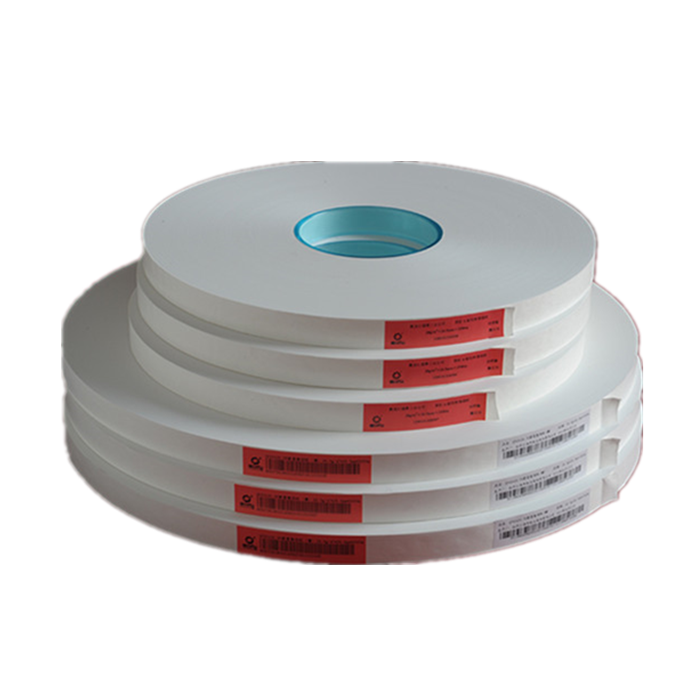
Strong branding allows retailers to sell these products easily. Smokers often recognize the brand name and trust the product quality. For distributors entering the smoking accessories market, this brand recognition can accelerate market entry and reduce marketing costs.
However, wholesale buyers must also consider the limitations of branded cigarette paper products.
● Retail-focused packaging
Branded rolling papers are usually sold in booklet packs or small boxes. This format is ideal for retail sales but unsuitable for cigarette manufacturing operations.
● Limited technical customization
The specifications of retail cigarette paper are fixed. Buyers cannot adjust porosity, basis weight, or burn rate to match different tobacco blends.
● Higher per-unit cost
Branded products include packaging, marketing, and distribution expenses. These factors increase the overall price compared to bulk industrial cigarette paper.
OEM cigarette paper refers to cigarette paper produced by manufacturers according to the specifications of another brand or cigarette company. Instead of selling a finished retail product like branded rolling papers, the manufacturer supplies customized cigarette paper materials that are integrated directly into cigarette production lines. For tobacco factories and distributors, this sourcing model offers greater flexibility and better control over product performance.
For large cigarette producers, OEM cigarette paper offers a more practical sourcing model because it integrates directly into manufacturing systems.
Key differences between branded rolling papers and OEM cigarette paper include:
● Supply chain structure
Retail rolling papers are packaged products distributed through retail channels. OEM cigarette paper moves directly from manufacturer to cigarette factory.
● Production scale
Rolling papers are produced in booklet or sheet format. OEM cigarette paper is manufactured in industrial reels designed for automated cigarette machines.
● Technical control
OEM production allows manufacturers to adjust combustion behavior, airflow, and mechanical strength to match specific cigarette designs.
These distinctions explain why OEM cigarette paper remains the dominant solution in industrial cigarette production.
Feature | Branded Rolling Papers | OEM Cigarette Paper |
Primary market | Retail consumers | Cigarette manufacturers |
Packaging format | Booklets or sheets | Industrial reels or bobbins |
Customization | Very limited | Fully customizable |
Production scale | Small consumer packs | Large industrial supply |
Use case | Hand-rolled cigarettes | Automated cigarette production |
One of the biggest advantages of OEM cigarette paper is customization. Tobacco manufacturers rarely use generic paper because cigarette design requires precise combustion behavior. By adjusting physical and chemical properties, suppliers can tailor cigarette paper to match different tobacco blends, machine speeds, and regulatory requirements.
Several key parameters can be modified during cigarette paper manufacturing. Each parameter influences how the cigarette performs during smoking and during machine processing.
● Adjustable basis weight (GSM)
Paper thickness affects burn speed and mechanical strength. Thin cigarette paper burns faster but requires higher tensile strength. Heavier paper slows combustion and improves durability during machine handling.
● Porosity control
Microscopic pores allow air to pass through cigarette paper. Adjusting porosity levels helps control oxygen supply to the burning tobacco column. Higher porosity often leads to faster burn rates, while lower porosity slows combustion.
● Burn rate engineering
Manufacturers may incorporate burn regulators and mineral additives to stabilize combustion. These materials influence ash structure, ember temperature, and smoking consistency.
● Customized reel sizes
Industrial cigarette machines require paper rolls with precise widths and lengths. OEM suppliers can produce reels tailored for specific equipment configurations.
These customization options allow tobacco brands to develop unique cigarette products that differentiate them in competitive markets.
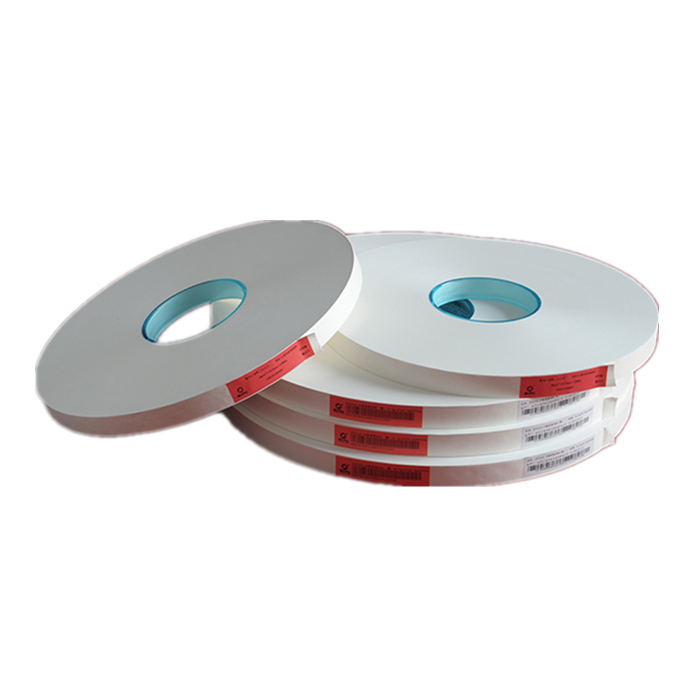
Unlike consumer rolling papers, OEM cigarette paper is supplied in formats optimized for industrial production. Cigarette manufacturing machines operate at extremely high speeds. Paper supply must remain stable, continuous, and mechanically reliable throughout the process.
Industrial cigarette paper typically appears in several production formats.
● Jumbo rolls
Large reels of cigarette paper, sometimes exceeding several thousand meters in length. These rolls feed directly into cigarette making machines and minimize downtime caused by frequent roll changes.
● Cigarette paper bobbins
Smaller reels designed for specific machine models or production segments. Bobbins allow easier handling and controlled feeding during automated rolling processes.
● Precision rewound reels
After initial production, cigarette paper may be rewound into customized widths. This ensures compatibility with different cigarette manufacturing equipment.
Cost efficiency is one of the most obvious benefits. Purchasing cigarette paper in bulk dramatically reduces the unit cost of materials. Since cigarette factories operate large production lines, even small savings per meter of paper can translate into substantial cost reductions over time.
OEM sourcing also improves product flexibility. Manufacturers can design cigarette paper tailored to specific product lines, including king-size cigarettes, specialty tobacco blends, or reduced ignition propensity cigarettes required by regulatory markets. This adaptability helps companies maintain consistent product quality across multiple regions.
Important advantages for large-scale buyers include:
● Lower material cost through bulk supply
Large industrial reels reduce packaging, distribution, and retail branding expenses. This lowers the overall cost of cigarette paper procurement.
● Flexible engineering specifications
Manufacturers can adjust burn rate, airflow resistance, and ash formation. These parameters help maintain consistent smoking performance across different cigarette designs.
● Stable long-term supply partnerships
OEM relationships allow manufacturers to work closely with suppliers for product development, testing, and quality assurance.
When sourcing cigarette paper for large-scale production or distribution, performance during combustion becomes one of the most critical factors. Buyers are not only selecting a paper material. They are choosing a functional component that directly influences how the final cigarette behaves during smoking. The structure of cigarette paper determines how oxygen moves through the tobacco rod and how evenly the product burns from start to finish.
Several performance indicators are commonly evaluated by wholesale buyers:
● Consistent burn rate
Paper fibers and burn regulators control how the ember travels along the cigarette. A consistent burn line prevents tunneling or uneven combustion. It also helps manufacturers maintain predictable smoking time across production batches.
● Controlled ash formation
The ash structure of cigarette paper affects both appearance and cleanliness. High-quality paper produces stable ash columns that remain attached during burning rather than flaking off prematurely.
● Balanced porosity and airflow
Porosity determines how much air passes through the cigarette paper. Proper airflow ensures smooth combustion and prevents the cigarette from burning too aggressively.
Cigarette Paper Property | Role During Combustion | Impact on Product Performance |
Burn rate stability | Controls speed of combustion | Ensures consistent smoking time |
Porosity level | Regulates oxygen intake | Maintains smooth airflow |
Mineral additives | Stabilize ash formation | Improves visual burn quality |
Paper thickness (GSM) | Influences burn resistance | Affects cigarette durability |
Another major consideration for wholesale buyers is compatibility between cigarette paper and the production equipment used in cigarette factories. Modern cigarette manufacturing lines operate at extremely high speeds. Paper materials must feed smoothly through automated rollers without tearing, stretching, or jamming.
Key compatibility considerations include:
● High-speed machine performance
Automated cigarette machines run continuously for long periods. Paper reels must unwind evenly and maintain constant tension throughout the process.
● Paper strength and durability
Thin cigarette paper still needs strong fiber bonding. If tensile strength is insufficient, the paper may tear during high-speed rolling or filter attachment.
● Production stability and downtime reduction
High-quality cigarette paper minimizes machine stoppages. Fewer interruptions improve factory productivity and reduce material waste.
In practice, cigarette manufacturers often test paper batches before large-scale adoption. This ensures the paper behaves correctly under real machine operating conditions.
Beyond performance and machine compatibility, wholesale buyers often evaluate how flexible a cigarette paper supplier can be in terms of product customization. Modern tobacco markets require different cigarette formats, regional regulations, and brand identities. OEM cigarette paper suppliers therefore provide a range of customization services designed to support product differentiation.
Common customization options include:
● Technical specification adjustments
Suppliers can modify GSM, airflow permeability, and combustion regulators. These parameters influence burn rate, ash appearance, and smoke draw resistance.
● Private label cigarette paper development
Tobacco companies sometimes develop proprietary cigarette paper formulations. These formulations help maintain brand identity and product consistency.
● Market-specific product design
Different countries may require special cigarette paper features, such as reduced ignition propensity or specific burn behaviors.
Choosing the right cigarette paper depends on business goals and production scale. Elements rolling papers suit retail markets and individual users seeking clean burn and smooth flavor. OEM cigarette paper serves manufacturers needing customization, stable combustion, and machine compatibility. TOPTAC supports tobacco producers by supplying high-quality cigarette paper engineered for reliable performance and efficient production.
A: Cigarette paper wraps tobacco and controls burn rate and airflow.
A: OEM cigarette paper supports factory production and allows technical customization.
A: OEM cigarette paper offers stable burn control and machine compatibility.
A: Yes, cigarette paper affects burn speed, ash stability, and flavor.
A: Yes, OEM suppliers adjust porosity, thickness, and reel size.


