Welcome to our website! Call Us: +86-18622194621 E-mail: toptac@fancyco.com
Views: 0 Author: Site Editor Publish Time: 2026-05-18 Origin: Site
Sustainability has become an increasingly important consideration in modern tobacco packaging. Today’s manufacturers are expected not only to deliver attractive packaging and efficient production but also to support packaging reduction and recycling initiatives.
Among various packaging components, BOPP cigarette tear tape remains one of the most widely used opening solutions because it combines lightweight construction, reliable opening performance, and compatibility with high-speed packaging operations.
But an increasingly common question from packaging buyers is:
Is BOPP cigarette tear tape recyclable?
The answer is generally yes—but recyclability depends on the complete packaging structure, material selection, and local recycling systems.
This guide explains how BOPP tear tape affects sustainability, what factors influence recyclability, and how manufacturers can choose more environmentally conscious tear tape solutions.
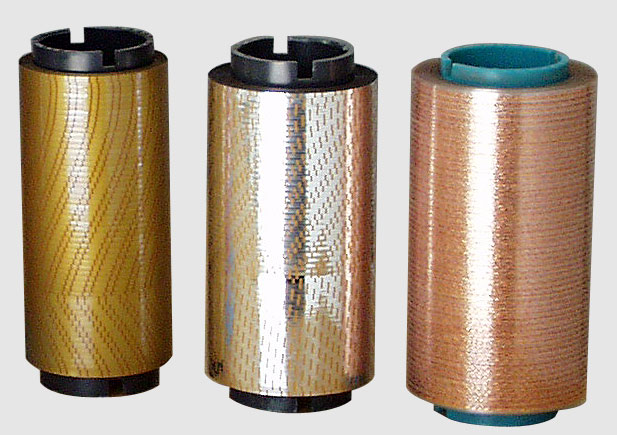
BOPP cigarette tear tape is a narrow opening strip produced from Biaxially Oriented Polypropylene (BOPP) film and integrated into cigarette packaging.
Its purpose is simple: provide a controlled opening experience while preserving package appearance.
The tear tape is typically applied beneath the outer wrapping layer. When pulled, it creates a clean opening line that allows consumers to access the product quickly and consistently.
Compared with traditional opening methods, BOPP tear tape offers:
Lightweight packaging design
Controlled and smooth opening
High-speed machine compatibility
Improved packaging appearance
Flexible customization options
Because of these advantages, BOPP tear tape continues to be widely adopted across modern tobacco packaging production.
In principle, BOPP material itself is recyclable because it belongs to the polypropylene family.
However, actual recyclability depends on how the tear tape functions within the overall packaging system.
Packaging manufacturers should evaluate the entire structure instead of viewing tear tape as an isolated material.
Factor | Impact on Recycling |
|---|---|
Mono-material packaging | Improves recycling compatibility |
Adhesive formulation | May influence separation efficiency |
Metallic decoration | Can reduce processing compatibility |
Printing coverage | Excessive layers may complicate recovery |
Package separation process | Determines actual recyclability |
In many cases, packaging performance and sustainability need to be balanced together.
Although tear tape is only a small packaging element, it can influence overall packaging efficiency.
BOPP film provides excellent strength while using relatively low material volume.
Lower material usage may contribute to reduced packaging weight.
Controlled opening reduces unnecessary package damage during use.
A more predictable opening process helps maintain package integrity.
BOPP tear tape supports stable operation on automated production lines.
Consistent machine performance can help reduce production waste and material loss.
Tear tape is supplied in compact roll formats with high loading efficiency.
This supports more efficient logistics and storage management.
Not all tear tapes deliver the same environmental performance.
Several design decisions influence sustainability outcomes.
Using appropriate thickness helps balance:
Material reduction
Mechanical strength
Opening reliability
Thinner structures should only be adopted if packaging performance remains stable.
Printing affects both appearance and recycling compatibility.
Packaging manufacturers often evaluate:
Ink coverage
Decoration requirements
Production consistency
Efficient printing methods may reduce unnecessary material use.
The adhesive system directly affects package behavior.
Selection criteria typically include:
Stable bonding
Controlled opening force
Production compatibility
Appropriate adhesive selection supports packaging efficiency.
Stable production quality reduces:
Roll defects
Material waste
Packaging downtime
Long-term sustainability often starts with process control.
Packaging companies continue improving sustainability through practical engineering approaches.
Common strategies include:
Use only the width required for reliable opening performance.
Simplified structures may improve recyclability.
Evaluate tear tape together with:
Outer wrapping film
Printing process
Adhesive structure
Stable production reduces waste generation.
Sustainability should consider:
Raw materials
→ Manufacturing
→ Packaging use
→ Recycling potential
Selecting the right supplier affects both packaging performance and environmental goals.
Consider the following factors:
Evaluation Criteria | Why It Matters |
|---|---|
Material consistency | Supports stable packaging |
Customization capability | Reduces unnecessary waste |
Production capacity | Improves supply stability |
Process control | Minimizes defects |
Export experience | Supports international requirements |
A qualified supplier should help manufacturers improve both packaging efficiency and sustainability performance.
No. BOPP is not biodegradable, but it may be recyclable depending on local recycling systems and packaging structures.
This depends on package design and local recycling capability.
Heavy decorative layers or specialized coatings may influence recycling performance.
Yes. Many customized printing solutions can maintain branding while improving material efficiency.
The answer depends on the application, packaging design, and lifecycle evaluation rather than the material alone.
Whether you require transparent, printed, metallic, or customized tear tape, selecting the right material structure can improve packaging performance while supporting sustainability goals.
Explore our complete BOPP Cigarette Tear Tape solutions and discover customized options for modern cigarette packaging production.