Welcome to our website! Call Us: +86-18622194621 E-mail: toptac@fancyco.com
Products



loading
| SKU: | |
|---|---|
| Availability: | |
| Quantity: | |
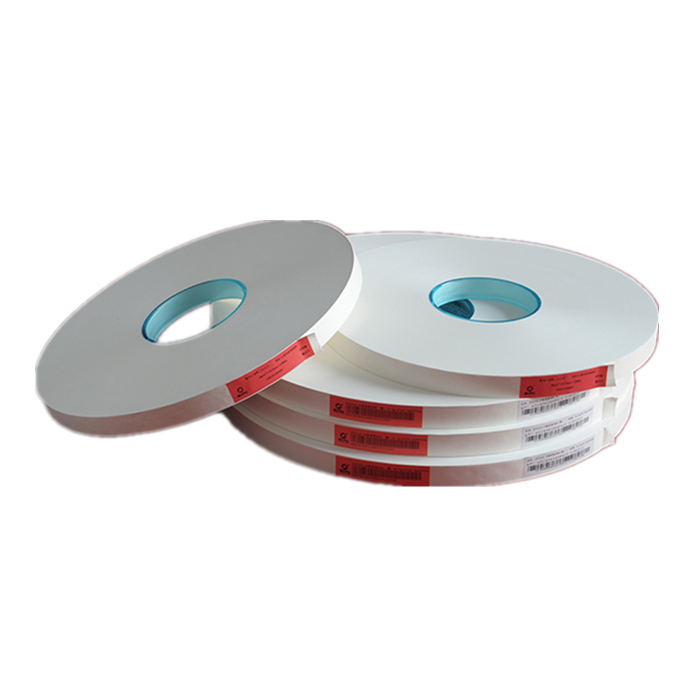
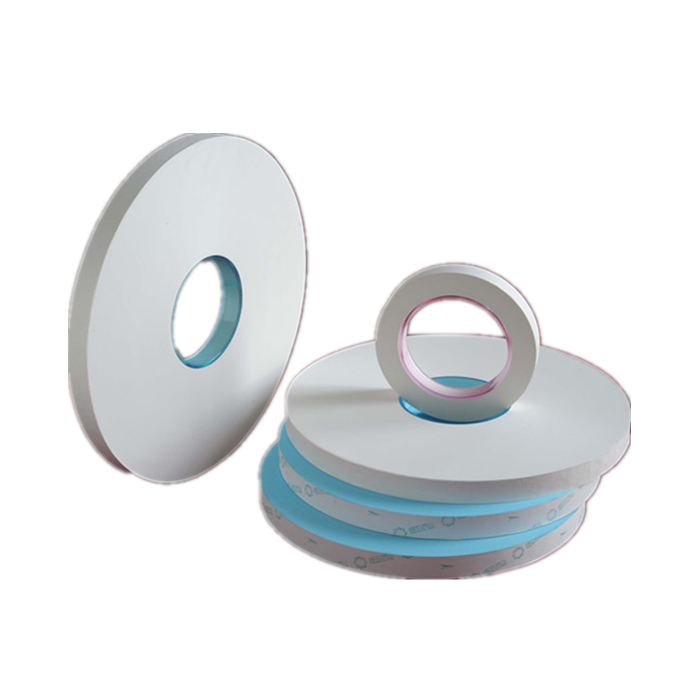
A filter may be small, but it changes the way the whole finished product performs. That is why plug wrap paper cannot be treated like ordinary paper. It must hold shape, manage airflow, bond securely, and still look clean after high-speed processing. Our Porous Plug Wrapping Paper is made for exactly that role.
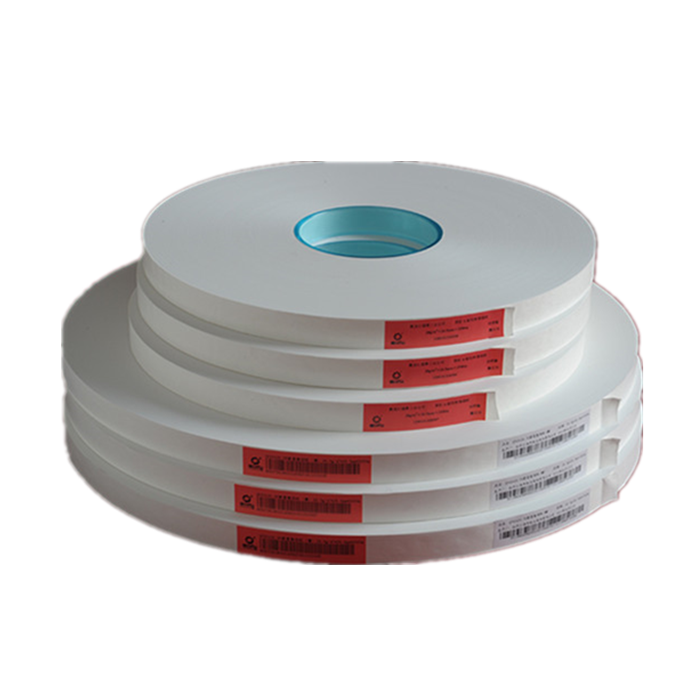
Produced from selected virgin wood pulp, this paper offers a bright, tidy appearance and a controlled porous structure that supports consistent filter rod wrapping. The result is a paper that does not simply surround the filter plug, but helps define how the finished rod looks, feels, and runs in production. The surface is smooth, the paper body is stable, and the roll formation is built for practical use in converting environments where repeatability matters.
For buyers, the value is clear. You need paper that arrives ready for use, runs with fewer surprises, and supports a uniform finished product. You also need supply that is easy to handle, easy to store, and practical to integrate into existing operations. This product is shaped around those realities. From pulp selection to slitting and packing, the focus is not on abstract specifications alone, but on what those specifications mean in daily production: cleaner wrapping, steadier line behavior, better visual consistency, and reduced waste caused by weak paper, unstable porosity, or poor roll quality.
Item | Unit | Typical Value |
|---|---|---|
Raw Material | — | 100% Virgin Wood Pulp |
Product Name | — | Porous Plug Wrapping Paper |
Application | — | Wrapping Tobacco |
Length | m | 6000 |
Core | mm | 120 |
Packing | — | Carton or Pallets |
Substance | g/m² | 24.0–28.0 ±1.3 |
Porosity | Coresta | 50.0–100.0 ±3 |
Tensile Strength | kN/m | ≥1.00 |
Elongation (MD) | % | ≥1.0 |
Ash (Base on CaO) | % | 6.0–15.0 |
Whiteness | % | ≥80 |
Moisture at Delivery | % | 4.5 ±1.5 |
Dirt 0.3–1.5 mm² | point/m² | ≤40 |
Dirt 1.0–1.5 mm² | — | ≤2 |
Dirt >1.5 mm² | — | ≤0 |
Controlled porosity for stable filter performance
The porous structure helps manage airflow with greater consistency. That matters when manufacturers need filter rods that look uniform and perform predictably instead of showing avoidable variation from batch to batch.
Clean white appearance
A bright, neat sheet supports a more refined finished look. It helps the wrapped filter present a cleaner visual line and a more consistent outer surface.
Good converting strength
With solid tensile strength and controlled elongation, the paper is built to handle wrapping conditions without feeling fragile or over-soft during processing.
Balanced ash and moisture levels
These values help support a stable paper body, better handling during storage and use, and more dependable production behavior.
Roll format designed for practical use
The 6000 m length and 120 mm core make the product easier to load, run, and manage in continuous production environments.
Packing options for easier shipment and storage
Carton or pallet packing gives more flexibility for transportation, handling, and warehouse planning.
Good plug wrapping paper begins long before slitting. It begins with the fiber. We use 100% virgin wood pulp because it offers a cleaner and more predictable base for specialty paper production. Compared with mixed or lower-grade inputs, virgin pulp helps create a sheet with better formation, more even texture, and a more controlled visual result.
When you handle a well-made porous plug wrap, the difference is easy to sense. The paper should not feel chalky, brittle, or unstable. It should feel light but not weak, smooth but not slippery, structured but not stiff to the point of cracking. That balance is what supports daily production. The sheet must wrap firmly around the filter plug while keeping a controlled surface and steady paper body.
For tobacco packing applications, that paper structure matters because the plug wrap is not only a covering layer. It is part of the filter system. A poor sheet can create instability in wrapping, weak bonding, or uneven appearance. A well-formed sheet helps create a filter rod that looks cleaner, runs better, and holds together with greater confidence. This is why fiber selection, sheet formation, moisture control, and cleanliness are central to the product rather than secondary details.
In real production, the most expensive problems are often the small ones that repeat: paper dust, unstable tension, weak wrap formation, irregular permeability, poor roll build, or a surface that does not behave the same way from one run to the next. Our Porous Plug Wrapping Paper is designed to reduce those risks by offering a practical combination of strength, porosity, cleanliness, and consistency.
The porosity range of 50.0–100.0 Coresta gives manufacturers a usable window for controlled airflow. The paper is also built with tensile strength ≥1.00 kN/m and MD elongation ≥1.0%, helping it tolerate converting stress more reliably. In simple terms, it is made to move through the line with less drama. That means more predictable wrapping, less avoidable waste, and a steadier finished rod.
Its whiteness of ≥80% supports visual cleanliness, while the controlled dirt limits help maintain a more refined appearance standard. Moisture at delivery is also kept within a defined range so the paper reaches customers in a condition better suited for storage, handling, and production planning.
For manufacturers, this translates into practical value:
smoother processing behavior
more consistent filter rod appearance
easier line control
reduced quality fluctuation
a supply format that supports repeatable daily use
A good paper grade should fit both the machine and the purchasing process. That is why supply format matters just as much as technical data. This product is offered in a 6000 m roll length with a 120 mm core, making it suitable for organized production handling and easier replacement during line operation.
The standard specification is built around a practical basis weight range of 24.0–28.0 g/m², which supports the lightweight structure expected in plug wrap applications while still maintaining handling strength. The paper is packed in cartons or pallets, allowing customers to choose a shipping format that better suits order volume, warehouse conditions, and transport requirements.
Beyond the standard grade, customers often care about supply stability, lot consistency, and whether a supplier can align paper properties with actual production needs. That is where service matters. We understand that buyers may evaluate paper not only by gsm or porosity, but by how well it integrates with their current converting process, filter design, storage conditions, and delivery rhythm.
What buyers usually care about most
stable roll quality
consistent paper formation
predictable porosity
clean shipment condition
practical packing format
reliable order follow-through
We focus on practical paper performance
We do not treat plug wrap paper as a generic commodity. We focus on the details that influence production results, including consistency, roll usability, cleanliness, and paper stability.
We keep the essential data clear
Buyers need real parameters, not vague descriptions. That is why this product keeps the key technical indicators visible and easy to evaluate.
We understand appearance and process must work together
A plug wrap paper may run well yet look poor, or look fine yet convert poorly. Our goal is to balance both.
We support efficient delivery formats
With carton or pallet packing options, shipment planning becomes easier for different order sizes and warehouse setups.
We value stable long-term supply
Consistency matters more than occasional performance. We aim to deliver paper that behaves in a repeatable way from order to order.
We communicate like a manufacturing partner
Clear specifications, direct answers, and practical product information help save time during sourcing and evaluation.
Porous plug wrapping paper is used to wrap the filter plug in tobacco products. It helps form the outer layer of the filter rod, supports airflow control, and contributes to the finished product’s appearance and structural stability.
Porosity influences how air moves through the filter structure. A controlled porosity range helps manufacturers achieve more consistent filter behavior and more predictable production results.
This grade is made from 100% virgin wood pulp. That helps support cleaner sheet formation, a more even surface, and a more reliable paper structure.
The standard roll length is 6000 meters, and the core size is 120 mm. These dimensions are designed for practical production handling and continuous use.
The paper can be packed in cartons or pallets, depending on shipping and storage requirements.
It combines controlled porosity, defined tensile strength, stable moisture, good whiteness, and managed dirt limits. Together, these properties support cleaner converting, steadier wrapping, and a more consistent final result.
Yes. A clean surface, controlled whiteness, and stable paper structure help create a neater wrapped filter with a more uniform visual effect.
In production, inconsistency creates waste, line interruptions, and quality variation. Consistent paper helps reduce those issues and makes output easier to control from batch to batch.
Quick Links
Contact Information


