Welcome to our website! Call Us: +86-18622194621 E-mail: toptac@fancyco.com

Views: 0 Author: Site Editor Publish Time: 2026-07-16 Origin: Site

You finish a delicate acrylic painting or a batch of artisan baked goods, only to realize you lack the right packaging material. You need to ship, store, or package these delicate items immediately. Waiting days for specialty shipping supplies is not an option. This creates a stressful friction point for creators and shippers alike.
Many artists face this exact emergency scenario. You must package and ship a piece today without waiting for specialized online orders. Choosing the wrong substitute carries severe risks. Incorrect materials can permanently damage acrylic paintings through surface adhesion. They can cause chemical degradation in archival documents via acid transfer. They might also fail to provide necessary grease resistance in food packaging.
Finding a replacement requires understanding your specific application. You need a framework for selecting a substitute based on the exact properties required for the task. Evaluate your need for breathability, acid-free composition, or a non-stick surface rather than searching for a universal replacement.

For Fine Art (Acrylics & Oils): Silicone release paper is the safest alternative to prevent surface adhesion, while plastic sheeting traps moisture and should be avoided for direct contact.
For Short-Term Shipping & Packaging: Unbleached parchment paper offers a highly accessible, grease-resistant substitute, though it lacks long-term archival certification.
For Crafting & Interleaving: Acid-free tracing paper mimics the translucency of glassine paper, making it ideal for dry media and journaling, though it lacks physical durability and tear resistance.
Emergency Stopgaps: When shipping under tight deadlines with no local specialty stores, specific preparation methods using standard baking parchment can serve as a temporary shield.
Risk Mitigation: Never use wax paper on fine art or photographs, as temperature fluctuations can cause irreversible wax transfer to the medium.
Understanding what makes this material unique helps you choose the right alternative. Manufacturers use a supercalendering process to create glassine paper. They press paper pulp through hot rollers to align the fibers. This creates a smooth, dense, and translucent sheet without relying on chemical coatings. You need to know exactly what physical traits you are trying to replace before you grab a substitute from your shelf.
Any viable substitute must attempt to replicate specific physical and chemical properties. You must map out these key traits before selecting a replacement. If you ignore these properties, you risk ruining the item you are trying to protect.
Toothless/Smooth Surface: A completely smooth texture prevents friction damage to fragile surfaces like charcoal or soft pastels. Even microscopic texture can act like sandpaper during transit.
Weight and Density: High density provides sturdiness and tear resistance. Standard weights usually range from 40 to 50 gsm. Lighter papers will tear when you pull them tight across a frame.
pH Neutral/Acid-Free: Archival quality prevents yellowing and degradation over time. This protects historical documents and fine art from chemical burns.
Grease and Water Resistance: The dense fiber structure protects against environmental contaminants and minor moisture exposure. This keeps fingerprints and ambient humidity off the surface.
Breathability: Porous materials allow off-gassing for curing paints. This prevents condensation from building up inside the package when moving between different climate zones.
No single alternative matches all these traits perfectly. You must dictate your selection by the specific use case. Sometimes you must prioritize a non-stick surface over breathability. Other times, archival stability outweighs grease resistance. You have to weigh the immediate need against the long-term storage requirements.
Property | Standard Glassine | Why It Matters in the Field |
|---|---|---|
Surface Texture | Ultra-smooth, toothless | Prevents abrasion on soft media like charcoal and uncured varnish. |
Density (GSM) | 40-50 GSM typical | Allows tight wrapping without tearing at the corners of canvas frames. |
Chemical Makeup | pH Neutral / Acid-Free | Stops long-term yellowing and embrittlement of adjacent paper goods. |
Permeability | Breathable | Lets oil paints continue to cure and prevents trapped condensation. |
Silicone release paper consists of a base paper coated on one or both sides with a silicone polymer. This creates a highly effective barrier. You often see this material as the backing for stickers or adhesive bandages. In the art handling world, it serves a much more protective purpose.
This material provides an absolute non-stick surface. This feature proves essential for acrylic paints. Acrylics remain thermoplastic. They respond to heat and humidity, becoming tacky even when completely dry to the touch. If you wrap an acrylic painting in standard paper, the paper will fuse to the paint during a hot truck transit.
Implementation realities require some adjustments. Silicone release paper feels heavier and more opaque than standard protective sheets. It works excellently for shipping art. However, it can be harder to source locally on short notice. When applying it, cut the sheet two inches wider than your canvas. Fold the edges over the back of the stretcher bars. Secure it with blue painter's tape. Never apply tape directly to the silicone surface, as it will not stick.

Parchment paper is a cellulose-based paper treated with silicone or quilon. This treatment creates a non-stick, heat-resistant surface commonly used in commercial kitchens and bakeries. It handles high temperatures and repels oils effectively.
You can find parchment paper easily at any grocery store. It mimics the grease resistance and smooth texture you need for basic protection. Grab the unbleached variety if possible. Bleached parchment undergoes chemical processes that leave trace residues behind.
This substitute works perfectly for food packaging and soap wrapping. It also serves as an emergency short-term art shipping solution when local supplies run dry. If you need to ship a dry canvas today, unbleached parchment will get it there safely.
You must understand the risks. Parchment paper is not strictly archival. Quilon-coated parchment contains chemicals that may interact with sensitive materials over years of storage. Always check the coating type. Use it for transit, but tell the recipient to remove it immediately upon arrival. Do not use it for long-term storage in a flat file.

Manufacturers create tracing paper from heavily beaten cellulose fibers. This results in a lightweight, highly translucent sheet. The mechanical beating process breaks down the fibers, removing the air pockets that make standard paper opaque.
Tracing paper looks and feels visually similar to your standard protective sheets. It provides excellent friction protection for graphite, charcoal, and colored pencil artworks. You can use it to interleave pages in a sketchbook or portfolio. It stops graphite from transferring to the opposite page.
You can buy tracing paper cheaply at any craft store. However, it is significantly thinner and lighter. It remains more prone to crinkling, folding, and tearing under tension. It also lacks substantial grease and water resistance. When handling tracing paper, ensure your hands are completely dry. The thin material absorbs moisture from your skin quickly, causing it to warp before you even apply it to the artwork.
Archival tissue paper is an ultra-thin, unbuffered, acid-free material. It offers delicate protection for sensitive items. Museums and galleries use miles of this stuff to pack historical garments and delicate prints.
This tissue provides a highly breathable, chemically inert layer. It works perfectly for long-term storage of photographs, historical documents, and vintage textiles. You can crumple it to fill voids in shipping boxes without adding significant weight.
The material remains highly fragile and prone to tearing. It offers zero moisture or grease resistance. You must specify "unbuffered" for color photographs. Buffered tissue contains calcium carbonate. This alkaline buffer protects against migrating acids, but it can cause chemical reactions with certain photo emulsions and animal-based textiles like silk or wool.
Plastic sheeting consists of low-density polyethylene (LDPE) or similar plastic films. It serves a very specific purpose in shipping. You use it to build an impermeable outer shell.
This film provides absolute waterproof protection for outer shipping layers. It keeps rain, snow, and environmental moisture away from your package. When wrapping a crate or a heavy-duty cardboard box, a final layer of poly film acts as a weather shield.
Never use plastic sheeting in direct contact with acrylic paintings, oil paintings, or photographs. It easily sticks to paint surfaces under pressure. It traps ambient moisture, causing condensation and rapid mold growth. Always maintain a breathable barrier between the artwork and the plastic layer. Use cardboard or foam board as a spacer.
Wax paper features a tissue base coated with soybean or paraffin wax. This creates a slick, moisture-resistant barrier. It feels waxy to the touch and repels water instantly.
It provides extreme moisture and grease resistance for culinary uses. Crafters also use it for basic, non-archival projects like pressing flowers or protecting work surfaces from glue spills.
Never use wax paper as a substitute for fine art, photography, or archival storage. Wax easily transfers to adjacent surfaces under mild heat or pressure. If a delivery truck gets hot, the wax melts slightly and bonds with the surface of your artwork. This transfer will permanently ruin the item. You cannot remove embedded wax from canvas or paper.
You must balance archival quality against accessibility. Grabbing what is immediately available solves the short-term problem. Standard parchment works for a quick shipment across the country. However, sourcing chemically inert materials ensures long-term safety. Acid degradation causes yellowing and brittleness over time. If you are packing a piece for a collector who might store it for years, you cannot compromise on acid-free materials.
Structural integrity varies wildly among substitutes. Dense materials lay flat and resist punctures. Alternatives like tracing paper remain prone to static, crinkling, and tearing under tension. You must account for how the material handles movement during transit. If a thin paper tears during shipping, the exposed artwork will rub against the rough cardboard packaging. Always double-layer thin materials if you doubt their strength.
Breathability often competes with moisture protection. Porous materials like tissue and tracing paper allow air circulation. Impermeable materials like plastic sheeting block water entirely. Using plastic poly bags over uncured paintings creates a dangerous greenhouse effect. This traps moisture, leading to varnish blooming and mold growth. Varnish blooming appears as a cloudy, white haze over the painting. It requires professional restoration to fix.
Surface adhesion contingencies require careful planning. Shipping acrylics or varnished oils without a non-stick barrier invites disaster. The packing material can fuse directly to the canvas. Frame the cost of ruined artwork against the minor cost of proper protective materials. A roll of silicone release paper costs a fraction of the value of an original painting. Do not cut corners on the contact layer.
Alternative Material | Best Use Case | Archival Safe? | Key Risk |
|---|---|---|---|
Silicone Release Paper | Acrylics & Oils | Yes | Hard to source locally |
Parchment Paper | Short-term shipping | No (usually) | Chemical transfer over time |
Acid-Free Tracing Paper | Dry media interleaving | Yes | Tears and crinkles easily |
Archival Tissue | Photographs & Textiles | Yes | Zero moisture resistance |
Plastic Sheeting | Outer waterproofing | No | Traps moisture, causes mold |
The urgent artist dilemma happens frequently. You must package a delicate painting or print immediately. You have no professional supplies on hand. The gallery needs the piece tomorrow, and the local art supply store is closed. You need a step-by-step protocol to ensure safe transit using what you have available.
Utilize the safe kitchen alternative. Find high-quality, unbleached, silicone-coated baking parchment. Use this as your temporary contact layer against the artwork. Cut the parchment to size. Lay the artwork face down on the parchment. Fold the edges over the back. Tape the edges securely to a rigid cardboard backing. This prevents the parchment from shifting and rubbing against the surface. Create hospital corners at the edges to reduce bulk and keep the wrapping tight.
Know exactly what to avoid in a pinch. Household plastic wrap traps moisture and sticks to surfaces. Bubble wrap leaves permanent circular impressions if placed in direct contact with paint. The plastic bubbles act like tiny suction cups, pulling the paint away from the canvas. Standard printer paper contains acids and wood pulp that can scratch delicate finishes. Keep these destructive emergency substitutes away from your work. If you must use bubble wrap, ensure a solid layer of parchment or rigid cardboard sits between the bubbles and the art.
Junk journalers, mixed media artists, and crafters often need the aesthetic without the cost. You can create a visual replica for personal projects. This method gives you the translucent, crinkly feel of the real thing for scrapbooking or custom envelope making.
Treat standard tracing paper with a polycrylic spray. Lay the paper flat in a well-ventilated area. Tape down the corners to prevent curling. Apply a light, even coat of the spray from about twelve inches away. Let it dry completely. Flip the paper and treat the other side. This increases durability, translucency, and moisture resistance. The paper will feel stiffer and hold a crease better than untreated tracing paper.
Strictly avoid using this DIY method for fine art protection. Do not use it for archival storage or food packaging. The chemical off-gassing and lack of pH neutrality make it unsafe for sensitive materials. The polycrylic spray contains solvents that will react with oil paints and photographic emulsions. Keep this DIY version strictly for aesthetic craft projects.
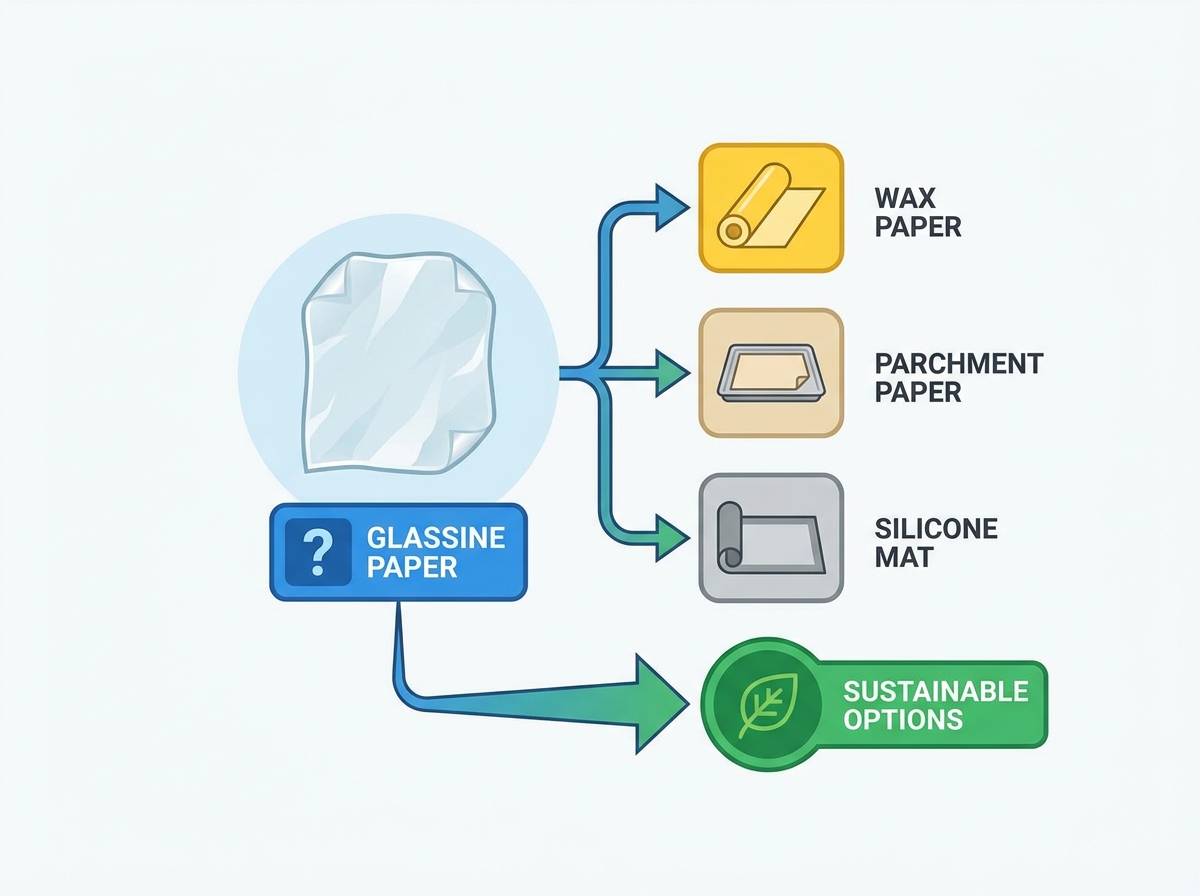
Choosing the right glassine paper alternative depends on your specific application, whether it is artwork protection, food packaging, retail presentation, or product shipping. By understanding the performance characteristics, advantages, and limitations of each substitute, you can better protect valuable products while achieving the right balance between functionality, sustainability, and cost.
Working with a trusted paper packaging supplier is equally important for ensuring consistent material quality and reliable application performance. TOPTAC specializes in high-quality glassine paper products, sustainable paper packaging solutions, and customized converting services, helping global brands, retailers, and manufacturers choose the most suitable packaging materials for a wide range of commercial and industrial applications.
Identify the surface sensitivity of your item before selecting a wrap to ensure you do not cause abrasion or adhesion damage.
Test any alternative material on a small, inconspicuous area or a scrap piece of the same medium before applying it to a valuable item.
Secure your chosen protective layer to a rigid backing board to prevent friction and shifting during transit.
Store your unused protective papers flat in a dry, climate-controlled environment to maintain their structural integrity.
A: You can use unbleached parchment paper for short-term shipping of dry artwork. It provides a smooth, non-stick surface. However, it lacks long-term archival certification. Prolonged contact may cause chemical interactions, so remove it immediately upon delivery.
A: No. Manufacturers coat wax paper with soybean or paraffin wax to resist moisture. Glassine achieves its density and smoothness through mechanical supercalendering, not coatings. Wax paper poses a severe risk of wax transfer to artworks under heat or pressure.
A: Acrylic paint remains thermoplastic. It can soften during transit due to temperature changes. If you ship without a non-stick barrier, packing materials like cardboard or bubble wrap can fuse directly to the paint surface, causing irreversible damage.
A: You can use tracing paper if it carries a specific acid-free certification. However, tracing paper tends to crinkle and tear easily. Unbuffered archival tissue provides a safer, softer, and more breathable alternative for sensitive photographic emulsions.
A: Freezer paper features a plastic coating on one side. This plastic layer blocks breathability and traps moisture. Using it against artwork can cause condensation and mold growth. It is not recommended for protecting fine art or archival items.
A: Never place plastic wrap or bubble wrap in direct contact with delicate surfaces. Plastic traps moisture, generates static, and can chemically react with varnishes. Bubble wrap will leave permanent circular indentations on paint and soft media.
A: Store all protective papers in a climate-controlled, dry environment. Keep them flat to prevent permanent creasing. Store them away from direct sunlight and extreme humidity to maintain their structural integrity and chemical neutrality.


