Welcome to our website! Call Us: +86-18622194621 E-mail: toptac@fancyco.com

Views: 0 Author: Site Editor Publish Time: 2026-07-16 Origin: Site

As regulatory pressures and consumer demands drive the phase-out of single-use plastics, procurement teams and conservators are returning to highly engineered, traditional cellulose-based materials. Organizations struggle to find packaging and protective interleaving that offers reliable grease and moisture resistance without relying on non-recyclable chemical coatings, waxes, or petroleum-based films. Evaluating glassine paper requires understanding its unique mechanical manufacturing process (supercalendering) to determine if its specific barrier properties align with your product's shelf-life, archival safety, and sustainability requirements. You need to know exactly how this material behaves on a high-speed packaging line, inside a climate-controlled museum archive, or during transit in a standard e-commerce fulfillment cycle. We will break down the mechanical properties, specific industrial applications, and exact testing protocols you must run before integrating this substrate into your operations.
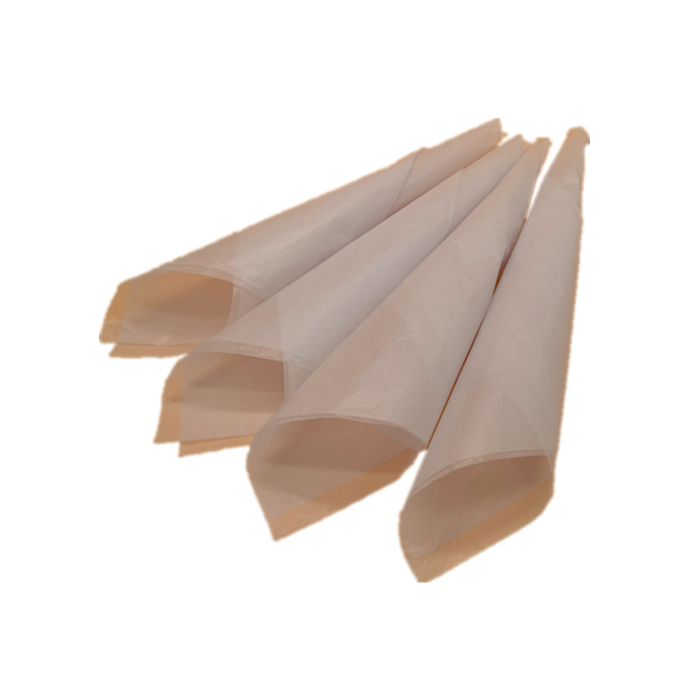
Mechanical, Not Chemical Barrier: Glassine paper achieves its smooth, grease-resistant, and translucent properties through extreme pressure and friction (supercalendering), not through synthetic coatings or waxes.
Dual-Industry Dominance: It is the industry standard for two distinct applications: FDA-compliant food packaging (grease resistance and moisture regulation) and museum-grade archival storage (acid-free, neutral pH interleaving).
Sustainability Advantage: Because it is uncoated and made from 100% wood pulp, unprinted glassine is fully curbside recyclable, compostable, and biodegradable, offering a direct replacement for poly bags in e-commerce.
Operational Limitations: While highly grease-resistant and capable of barrier-level performance, glassine is not entirely waterproof; prolonged exposure to liquid water or extreme humidity requires alternative barrier solutions.
Table of Contents
You cannot understand the performance limits of this material without understanding how it is made. The manufacturing process begins with standard wood pulp, but the preparation diverges immediately from standard kraft or bond paper. The pulp undergoes an extended beating process. Operators hydrate the fibers heavily, breaking down the cellulose structure until it becomes a gelatinous mass. This high degree of hydration is the first step in eliminating the natural porosity of the wood fibers.
Once the wet web forms and passes through the initial drying sections, it enters the supercalender. This machine consists of a vertical stack of alternating hard steel and softer fiber-covered rollers. The paper web threads through these rollers under immense pressure and high heat. The friction generated between the alternating roller surfaces physically crushes the cellulose fibers. It aligns them horizontally and forces them into a dense, interlocking matrix. This mechanical action, rather than a chemical additive, closes the pores of the paper. The result is a dense, smooth, and translucent sheet.
Pulp Hydration: Extended beating breaks down cellulose into a gel-like state.
Web Formation: The highly refined pulp forms a dense, wet sheet on the wire.
Initial Drying: Standard steam cylinders remove the bulk of the water content.
Supercalendering: Alternating steel and fiber rollers apply extreme heat and pressure.
Fiber Alignment: The friction crushes and aligns fibers, eliminating porosity.
The physical properties resulting from supercalendering dictate exactly where you can and cannot use this material on the floor.
Grease and Oil Resistance: The extremely low porosity prevents lipid penetration. When you place a high-fat item against the surface, the oil molecules physically cannot navigate through the dense fiber matrix. This prevents surface staining and stops grease from transferring to secondary packaging layers. You test this using standard TAPPI turpentine tests to measure the exact time it takes for oil to penetrate the sheet.
Neutral pH and Acid-Free: The absence of residual acids prevents chemical degradation. Standard paper contains lignin and residual bleaching acids that break down over time, causing yellowing and embrittlement. Acid-free manufacturing ensures the material remains chemically inert. This prevents the paper from off-gassing or transferring acidic compounds to adjacent sensitive items, which is mandatory for long-term storage applications.
Toothless and Non-Abrasive Surface: The supercalendering process creates an ultra-smooth, friction-free texture. If you run your hand across it, you feel no "tooth" or roughness. This prevents physical abrasion when wrapping delicate items. It also inhibits the adherence of adhesives, paints, and waxes, allowing it to function as a release liner in specific manufacturing setups.
Translucency and Breathability: The dense fiber alignment allows light transmittance, giving you product visibility without needing a clear plastic window. Simultaneously, the material retains a specific degree of gas permeability. It breathes. This prevents condensation buildup inside the packaging, which is a common failure point when using solid poly films for items that hold residual moisture.
Food manufacturers rely heavily on this substrate for baked goods, confectionery, and artisanal chocolates. When you package a high-fat muffin or a butter-heavy pastry, you need a wrapper that contains the grease. The unique breathability prevents condensation, keeping the baked goods from becoming soggy during transit or display. Concurrently, its grease barrier prevents oils from seeping through and ruining the outer branded cardboard packaging.
Facilities also use it as a highly effective release liner for baking and manufacturing. You will see it used as a base material for food-safe release liners on commercial baking trays. Industrial plants use heavier grades as backing sheets for stickers, labels, and tapes. Furthermore, it provides essential portion control and barrier liners. Bakeries use protective cups made from this material for cupcakes, muffins, and chocolate assortments where structural release and grease-resistance are mandatory for automated filling lines.

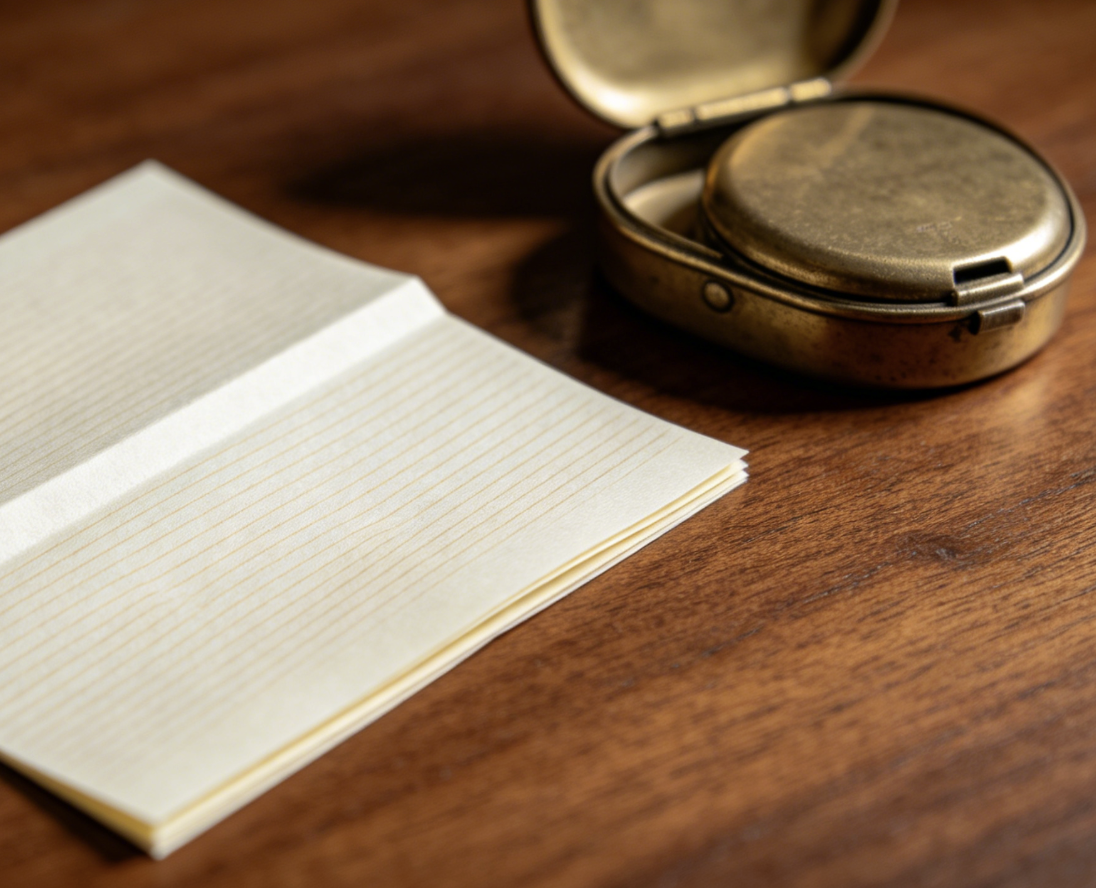
Conservators use interleaving sheets to protect delicate artwork and photography. Placing these sheets between charcoal drawings, pastels, water-based paints, and photographs prevents smudging. The smooth surface stops ink or pigment transfer and mitigates environmental moisture damage without trapping humidity. Institutions also use it to protect the written word, bookbinding, and rare manuscripts. It shields valuable bound volumes, historic signatures, and calligraphic manuscripts from finger oils and offsetting during long-term storage in flat files.
In painting conservation, restorers use it as a temporary facing material. During the wax-lining and restoration of paintings, conservation adhesives and waxes will not adhere strongly to the supercalendered surface. Additionally, fields like philately, numismatics, and entomology utilize it heavily. Collectors use hinges and protective envelopes for stamp collecting, coin storage, and insect specimen preservation due to its transparency, chemical neutrality, and micro-climate regulation.
Sustainable apparel brands are driving a massive shift toward poly-bag replacement. They use glassine paper bags as inner garment wraps to build plastic-free, circular supply chains. When a customer opens the mailer, they find the garment protected by a translucent, recyclable material rather than a low-density polyethylene bag. Industrial suppliers also evaluate its utility for hardware, small parts, and pre-lubricated goods. It successfully contains protective oils and greases while allowing visual identification of the mechanical parts inside the bin.
Luxury goods and cosmetics brands utilize it for protective wrapping. It serves as an elegant, semi-translucent protective layer for high-end retail packaging. The non-abrasive surface protects cosmetics, leather goods, and jewelry from surface scratches during transit and handling. The tactile feel of the paper also adds a specific auditory and physical experience to the unboxing process that plastic films cannot replicate.

Selecting the right form factor dictates your labor costs and line speeds. You must match the physical format to your specific handling equipment and fulfillment processes.
Glassine Sheets: Best for manual interleaving. Operators use them to insert specific-sized barriers between book pages, historical documents, or stacked baked goods. Sheets require manual handling but offer precise placement for delicate items.
Glassine Paper Rolls: Ideal for automated packaging lines. They support continuous wrapping applications, form-fill-seal machines, and custom-cut requirements in large-scale fulfillment centers. Rolls minimize material waste when wrapping variable-sized products.
Pre-Formed Glassine Envelopes and Bags: The standard for retail environments. They streamline seed storage, small parts kitting, and ready-to-ship e-commerce apparel. Pre-formed bags significantly reduce labor time in fulfillment operations compared to manual wrapping and taping.
You must evaluate the specific trade-offs between different barrier materials before committing to a procurement contract. Each substrate has distinct failure points depending on heat, moisture, and end-of-life requirements.
Material | Primary Advantage | Key Trade-off | Sustainability Profile |
|---|---|---|---|
Glassine Paper | Grease resistance, breathable, smooth surface. | Not fully waterproof; tears easier than poly films. | 100% recyclable, compostable, biodegradable. |
Parchment Paper | High heat resistance for commercial baking applications. | Treated with silicone or acid during processing. | Often non-recyclable due to silicone coatings. |
Wax Paper | Excellent moisture resistance for cold storage. | Utilizes a paraffin or soybean coating. | Non-recyclable; coating prevents repulping. |
Polyurethane/Cellophane | Absolute waterproof barrier, high tensile strength. | Traps moisture; fails sustainability mandates. | Non-biodegradable (poly); cellophane varies by type. |
Supply chain managers must frame the risk of using this material in high-humidity environments. It is moisture-resistant, not moisture-proof. The material will warp, wrinkle, or degrade if submerged in water or exposed to extreme humidity for prolonged periods. You must assess your transit routes, shipping containers, and warehouse storage facilities before implementation. If your product sits on a loading dock in a tropical climate, you need secondary moisture barriers.
Custom printing and branding present specific challenges on the production line. Ink adhesion is difficult on toothless, supercalendered surfaces. Standard water-based inks will bead up and smear. You must specify the need for specific flexographic inks, UV-cured inks, or surface treatments (like corona treatment) for branded packaging to ensure the ink cures properly. Finally, guide your procurement team to verify FSC (Forest Stewardship Council) certification. Ensure the material is completely free from hidden silicone or PFAS additives that would negate its compostable and recyclable claims.
Assess Humidity Exposure: Map the humidity levels across your entire shipping and storage route.
Run Ink Adhesion Tests: Provide samples to your print vendor to test UV and flexographic ink curing.
Verify Certifications: Request documentation proving FSC certification and the absence of PFAS.
Test Tear Strength: Run drop tests with your heaviest products to ensure the paper does not burst.
Evaluate Sealability: Test your current heat sealers or adhesives, as standard glues may not adhere to the smooth surface.
Choosing the right glassine paper requires balancing grease resistance, moisture exposure, tear strength, printing requirements, product protection, and end-of-life sustainability. Before placing a commercial order, buyers should test the material under actual packaging, storage, transportation, and production conditions to confirm that its performance matches the intended application.
Working with an experienced paper packaging supplier is equally important for maintaining material consistency and achieving reliable packaging performance. TOPTAC specializes in professional paper packaging products and customized solutions, helping global customers select suitable materials, formats, specifications, and packaging designs for food, retail, e-commerce, and industrial applications.
Request material samples in various basis weights to conduct physical tear and burst testing on your packaging line.
Run a 30-day shelf-life test with your specific food product or mechanical component to monitor grease penetration and moisture retention.
Audit your fulfillment line equipment to determine if switching from poly bags to pre-formed paper bags requires new sealing machinery.
Require your supplier to provide written documentation confirming the material is free of PFAS and silicone coatings to ensure compliance with local recycling mandates.
A: No, it is not waterproof. It is highly moisture-resistant and grease-resistant due to its dense fiber structure. However, prolonged exposure to liquid water will cause the material to warp, weaken, and eventually degrade.
A: Yes. Because it is made entirely from wood pulp without synthetic coatings, waxes, or plastics, unprinted glassine is fully curbside recyclable, naturally biodegradable, and compostable.
A: Yes, standard uncoated glassine is FDA-compliant for direct food contact. It is widely used in the food industry to wrap baked goods, chocolates, and candies because it prevents grease transfer.
A: Glassine is made from supercalendered wood pulp fibers and is breathable. Cellophane is a thin, transparent film made from regenerated cellulose. Cellophane is completely moisture-proof but traps air, whereas glassine allows moisture vapor to escape.
A: No. True glassine achieves its barrier properties mechanically through extreme pressure and heat during the supercalendering process. It does not rely on added plastics, silicones, or waxes.
A: Acid-free, neutral pH glassine can last for decades in climate-controlled archival settings. It will not yellow or degrade quickly, making it ideal for long-term interleaving of documents and artwork.
A: Yes, but it requires specific tools. Standard water-based inks may smear on the smooth, toothless surface. You must use permanent markers, specialized flexographic inks, or surface-treated glassine for reliable printing and writing.


