Welcome to our website! Call Us: +86-18622194621 E-mail: toptac@fancyco.com

Views: 0 Author: Site Editor Publish Time: 2026-03-26 Origin: Site
Most cigarette boxes are made from cardboard or paperboard. These materials protect cigarettes and show brand designs. Kraft paper, foil, and plastic are also used. They help keep cigarettes fresh and add style or safety. Cigarette box sizes follow rules to fit machines and shelves. Some brands use special sizes to be different. Recycling cigarette boxes is hard when they have plastic or foil. Eco-friendly materials are better for the planet. Picking cigarette packs with green materials helps cut down waste. It also supports a cleaner environment.
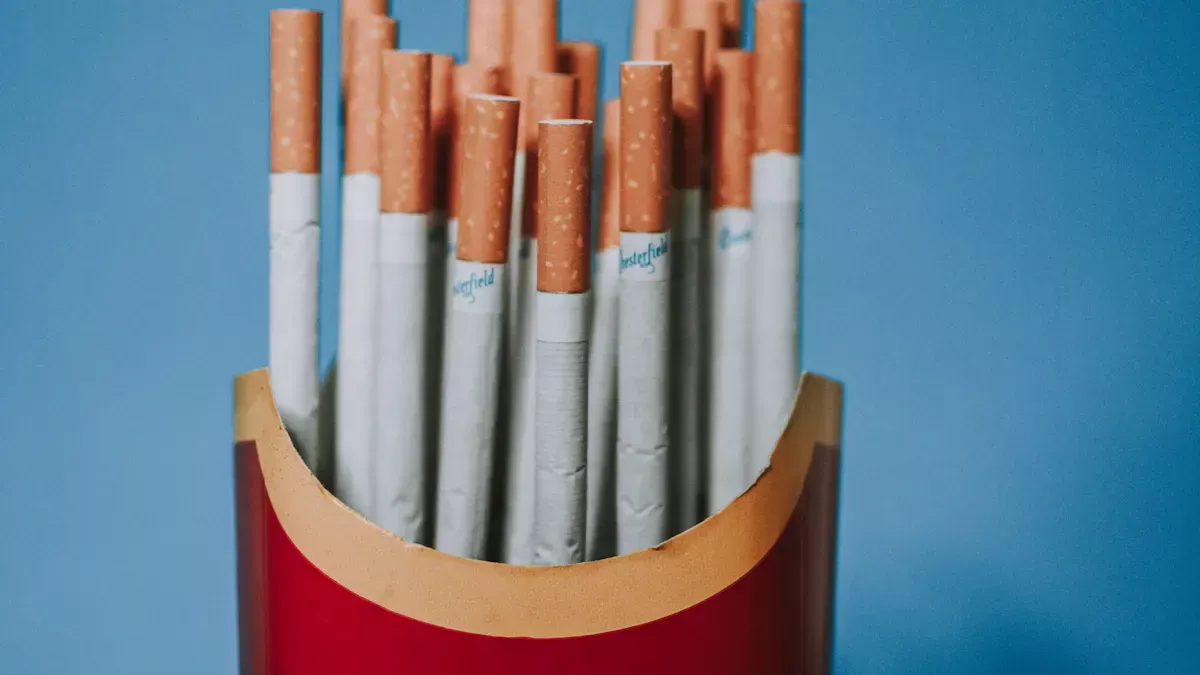
Cigarette paper is inside every pack. This thin material wraps the tobacco and holds it together. Cigarette paper burns evenly and does not change the taste much. All brands and regions use cigarette paper in their boxes. Cardboard boxes keep the cigarette paper safe during shipping and handling.
Tipping paper joins the filter to the cigarette. It also covers the filter and often shows the brand’s logo or design. You see tipping paper in every cigarette you open. This material helps show the brand and makes each cigarette look finished. Some custom packaging uses special tipping paper for cool designs.
Kraft paper is in some cigarette boxes, especially where people care about the environment. You see kraft paper because it breaks down easily and looks natural. It keeps cigarettes safe from moisture and helps them stay fresh. Many eco-friendly brands pick kraft paper for their boxes. This material is safe for the environment and the cigarette inside.
Aluminium foil paper lines the inside of many boxes. This material blocks moisture and oxygen very well. Cigarettes stay fresh and do not lose weight in foil-lined packs. The foil keeps the smell and quality of the cigarette. Most premium and custom boxes have this layer inside.
BOPP tear tape is a thin strip on the outside of many boxes. You use this tape to open the pack fast and easily. The tape often has printed or shiny designs for branding and safety. BOPP tear tape makes opening boxes simple and helps stop fakes. You see it on both regular and custom packs.
Some boxes use metal, mostly as aluminium foil, for extra safety and a fancy look. You find metal in expensive brands or special packs. Other materials, like plastic, are used in some places to keep out moisture or attract young people. The materials in cigarette boxes change based on local rules, what people like, and the environment.
Regional rules affect what materials are in cigarette boxes. For example:
Asia-Pacific and Europe need big health warnings and plain boxes, so you see more paperboard and cellulose-based films.
North America uses materials that help show tamper-proof features and clear warnings.
South America tries to balance cost, branding, and recycled materials.
Middle East & Africa have both fancy and simple boxes, depending on the market.
You see that cardboard is still the most common material in cigarette boxes. It is strong, easy to print on, and saves money. Custom designs and eco-friendly choices are growing as more people care about the planet.
You can find many sizes of cigarette boxes in stores. Most cigarette boxes are a standard size. Some brands use custom sizes to look different. The size of a cigarette pack matters for storage and display. Here is a table with the most common cigarette box sizes in the top five countries:
Dimension | Measurement |
|---|---|
Height | |
Width | 5.5 cm (2.20 inches) |
Depth | 2.2 cm (0.87 inches) |
These sizes make it easy to put a pack in your pocket or bag. You might see slim or long packs, which give smokers more choices. Custom sizes help brands make special packs for certain people or events.
Cigarette box sizes must follow rules from different groups. These rules make sure boxes fit in machines, on shelves, and have room for warnings. The table below shows some common pack sizes and what they are used for:
Type | Dimensions (mm) | Capacity |
|---|---|---|
King Size | 86 x 55 x 23 | |
Super Slims | 100 x 45 x 12 | 20 slim cigarettes |
100s (Longs) | 100 x 55 x 23 | Designed for longer cigarettes |
Bulk Cartons | N/A | Holds 200 cigarettes total |
Cigarette box sizes can change in different places. Some countries want bigger packs for health warnings. Others let brands use custom sizes for their look. These rules help keep cigarette packs safe and simple to use.
The size of a cigarette box changes how you see the brand. Brands pick different sizes to get your attention and show quality. Here are some ways size changes packaging and branding:
Standard packs look plain and not very special.
Bevelled or rounded packs look nicer and feel fancy.
Unique shapes can make you notice warnings less.
2×10 and 4×5 packs distract a little and seem lower in quality.
Cigarette packs use size and shape to reach different people. Special designs and materials, like strong or metal cases, make some packs feel unique. More brands now use eco-friendly materials to help the planet. Even though new packaging looks cool, studies say it does not always change what brand you pick. The size of a standard pack and other pack sizes help brands stand out and follow the rules.
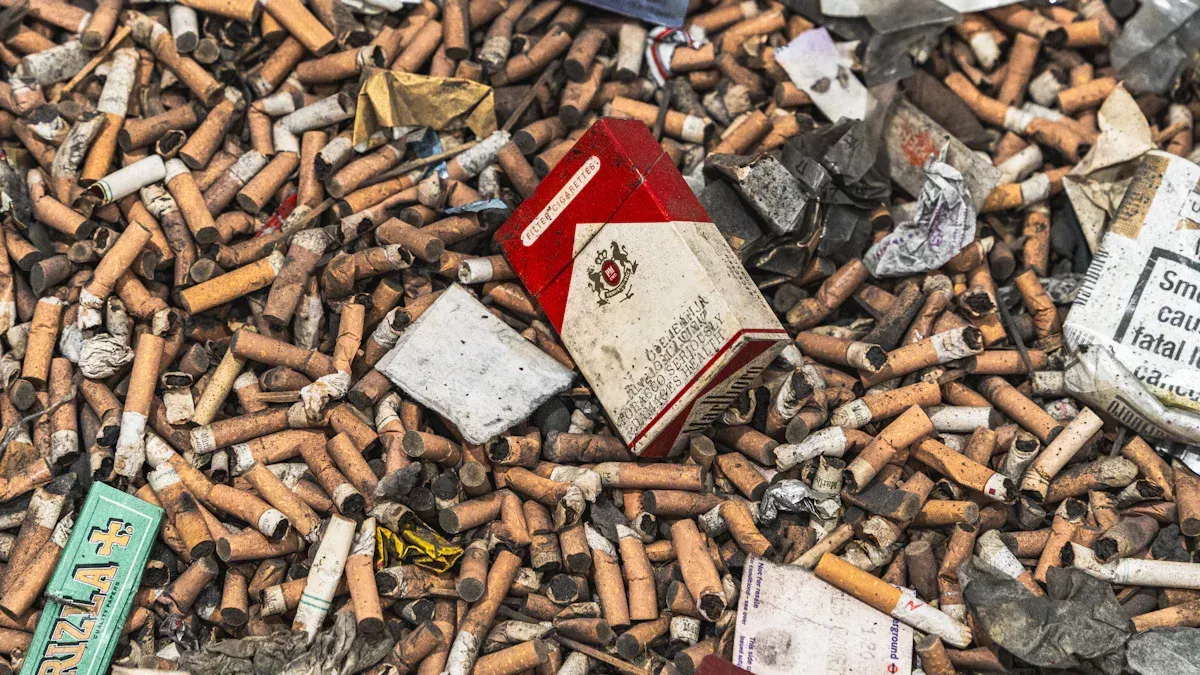
Cigarette boxes are made from different materials. Most use paperboard or cardboard, and you can recycle these. Many cities let you recycle these materials. Some boxes have plastic linings or foil inside. These parts make recycling harder. Plastic and foil do not break down like paper does. If you want to help the planet, check if your recycling center takes mixed materials. Tin is used in some special packs and is easy to recycle. Recycling tin uses less energy than making new tin. Paper breaks down in nature and can be recycled, but recycling it uses more water and energy. Plastic does not break down and causes big problems for nature.
Today, you can find more eco-friendly cigarette boxes. Many brands use materials that are better for the earth. Here are some popular eco-friendly choices:
Kraft paper packaging looks natural and shows care for the planet.
Biodegradable materials break down and make less trash.
Soy-based inks are safer than chemical inks.
Minimal printing uses less ink and helps the environment.
These choices help you support the earth and keep it clean. When you pick packs with green materials, you help stop pollution and waste.
It can be hard to recycle cigarette boxes. Many packs use more than one material, which makes recycling tough. The table below shows some main problems you might see:
Challenge | Explanation |
|---|---|
Presence of plastic linings | Plastic parts can mess up paper recycling. |
Toxic substances | Some inks and dyes have metals that hurt nature. |
Variability in composition | Different packs use different stuff, so check your recycling rules. |
You can see that helping the planet means picking recyclable and biodegradable materials for cigarette boxes. If you want to help, look for packs made from green materials. Recycling cigarette boxes helps the earth and keeps it cleaner.
You see cigarette boxes made from cardboard, paperboard, kraft paper, foil, and plastic. These materials keep cigarettes safe and help brands get noticed. Companies pick materials for different reasons:
Special designs make boxes easy to spot.
Custom packaging gives you important information.
Good packaging helps you trust the brand.
Cigarette boxes will change in the next ten years. You will see more green packaging and smart features. Picking eco-friendly boxes helps the earth and keeps each pack safer for you.
Most cigarette boxes use cardboard or paperboard. These materials keep cigarettes safe. They also make it easy for brands to print designs.
Many cities let you recycle paperboard boxes. If your box has foil or plastic, check your local rules. Some recycling centers do not take boxes with mixed materials.
Foil keeps cigarettes fresh. It stops air and moisture from getting in. This helps the tobacco taste and smell better.
Yes, some boxes use kraft paper or biodegradable materials.
Some brands use soy-based inks and less plastic.
These choices help cut down on waste and pollution.
Cigarette box materials keep cigarettes safe from damage and water. The box helps stop dirt and moisture from getting inside.


