Welcome to our website! Call Us: +86-18622194621 E-mail: toptac@fancyco.com

Views: 0 Author: Site Editor Publish Time: 2026-04-21 Origin: Site
Cigarette paper is mostly made from plant fibers like rice, hemp, and bamboo. These fibers change how the paper burns and tastes when smoked.
Additives like calcium carbonate and titanium oxide are often added. These help the paper burn better and look nicer.
Picking unbleached and organic rolling papers can lower your contact with bad chemicals. This gives you a cleaner way to smoke.
Thin and porous papers let more tobacco flavor come through. They also make smoking smoother. Thicker papers burn up faster.
Flavored rolling papers might have fake chemicals that are not good for you. Try to pick natural flavors if you can.
Always look at the ingredient list on rolling papers. This helps you stay away from bad additives and makes smoking safer.
Using filters can make smoking better by stopping tar and making the smoke smoother.
Keep rolling papers in airtight containers to keep them fresh. This stops them from drying out and keeps them good to use.
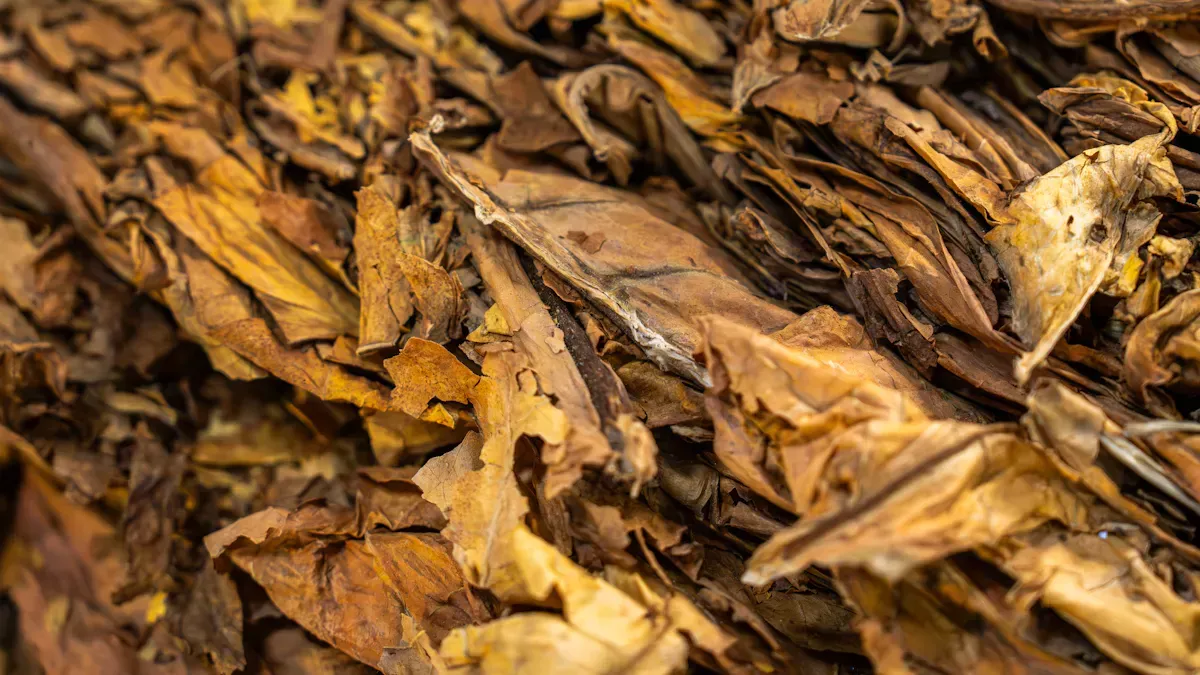
If you wonder why rolling papers burn differently, it is because of plant fibers. Most rolling papers use rice, wheat, hemp, flax, or bamboo. These fibers change how your cigarette feels, tastes, and burns. They are the most common materials for rolling papers. Each fiber gives something special to your smoke.
Here is a table that shows how different fibers work in rolling papers:
Material | Function | Effect on Cigarette Paper |
|---|---|---|
Wood pulp | Structural base fiber | Balanced burn and flexibility |
Hemp fiber | Natural slow-burning fiber | Smooth smoking experience |
Flax fiber | Reinforcement fiber | Higher paper strength |
Every fiber burns in its own way. Rice papers burn slowly and do not add much taste. Wheat papers burn faster and give a light flavor. Hemp papers burn slow and taste earthy and smooth. Flax makes the paper strong and hard to tear. Bamboo papers are strong and bend easily. Bamboo burns evenly and does not change the taste of your tobacco. Bamboo papers feel thin but are tough. They burn steady and finish clean.
You want your smoke to be smooth. The fiber in your paper helps with that. Hemp papers keep your smoke cool and tasty. Bamboo papers let you taste your tobacco better. Flax and rice papers help stop harshness. You can pick the paper that fits your taste and style. Bamboo papers are a good choice for a clean, natural smoke. They are also very popular today.
Some rolling papers use cellulose, which comes from plant cell walls. Cellulose makes the paper strong and almost clear. These papers look and feel different. Fillers help control how the paper burns and tastes. Fillers also make rolling easier.
Here is a table that shows how different fillers affect your smoke:
Filler Type | Effects on Combustion and Taste |
|---|---|
Wood Pulp Fibers | Provide balanced strength and flexibility, allowing for a stable burn. |
Hemp Fibers | Known for slower burning characteristics, preserving original tobacco flavor. |
Flax Fibers | Increase tensile strength, reducing tearing risk during processing. |
Mineral Fillers | Influence ash stability and combustion speed, ensuring even burning. |
Many rolling papers have calcium carbonate. It helps the paper burn evenly. It also makes the ash look whiter and more solid. Calcium carbonate controls how fast the paper burns. This mineral filler is safe in small amounts. It does not change the taste much. If you want your paper to burn evenly, calcium carbonate helps.
Some rolling papers have other additives. Some brands use titanium oxide to make the paper look whiter. Others add sugars or flavors. These can change how the paper tastes and burns. If you want a pure smoke, check the label. Bamboo papers often do not use harsh chemicals. They are a cleaner choice. You can pick papers with fewer additives for a safer smoke.
You might not think about how thin or porous your paper is. These things matter a lot. Thin papers let you taste more tobacco. Porosity changes how fast the paper burns and how much smoke you get.
Here is a table that explains why thinness and porosity matter:
Aspect | Influence on Smoking Experience and Safety |
|---|---|
Porosity | Affects burn rate, puff count, and amount of tobacco burned per puff. |
Burn Rate | Increased porosity leads to faster burning and lower yields of nicotine and tar. |
Taste | Paper porosity can impact the taste and overall experience of smoking. |
Delivery of Constituents | More volatile smoke constituents diffuse through porous paper, reducing their delivery compared to less volatile constituents. |
Sidestream Smoke | Faster burning results in more tobacco burned between puffs, increasing sidestream smoke. |
Coal Temperature | As porosity increases, coal temperature decreases, affecting the burn temperature of the cigarette. |
You want to control your smoke. Thin papers let you taste more tobacco and less paper. Porous papers burn faster and give more smoke between puffs. Less porous papers burn slower and last longer. Bamboo papers are thin, strong, and burn at a steady rate. You get a smooth and even smoke with bamboo. If you want a safer and better smoke, look at how thin and porous your paper is.
Tip: Pick rolling papers that fit your style. For a slow, clean burn, try bamboo or hemp papers. For a quick smoke, choose a more porous paper.

Not all rolling papers are made the same way. Rolling papers use plant fibers like hemp, rice, or bamboo. Cigarette paper uses wood pulp mixed with fillers. This mix changes how your smoke tastes and burns. Rolling papers are thinner and burn slower. Cigarette paper is thicker and burns faster. You can control your smoke better with rolling papers.
Rolling papers let you roll your own cigarettes or herbal blends. You get to pick what you smoke. Cigarette paper is used in factory-made cigarettes. If you want fewer chemicals, choose rolling papers. Rolling papers come in different sizes and flavors. You can make your smoking experience fit your style.
It is important to know how rolling papers are made. Bleached papers use chlorine or other chemicals to look white. This process can make harmful byproducts like dioxins and furans. These chemicals are not safe to breathe in. Unbleached papers skip these steps. They do not use chlorine or harsh chemicals. Most rolling papers use natural gum as glue, which is safe to eat.
If you want a cleaner smoke, pick unbleached rolling papers. They do not have toxic chemicals.
Bleached papers can release dangerous chemicals when burned. Dioxins and furans can cause health problems like cancer. These chemicals should not go into your lungs. Unbleached papers do not have these risks. They are safer for your health. Always check the label before buying rolling papers.
They avoid harmful byproducts.
Bleached papers can have dioxins linked to cancer and other health issues.
Rolling papers come in many flavors and styles. Some have fruit, mint, or spice flavors. Others use special printing or dipping methods. Here is a table showing popular options:
Flavor Category | Unique Ingredients/Characteristics |
|---|---|
Fruit and Sweet | Flavors like strawberry, mango, green apple; sweet flavors like vanilla, chocolate. |
Herbal and Spice | Spicy flavors like cinnamon, mint, lavender; mint gives a cool feeling. |
Manufacturing Methods | Food-grade ink printing, triple-dip flavoring, gum strip concentration, botanical terpene infusion. |
You want your rolling papers to taste good, but safety comes first. Not all flavored papers use safe ingredients. Some brands use artificial chemicals or hidden additives. These can be bad for your health. Pick papers with natural flavors from fruit extracts or essential oils. Look for brands that use FDA-approved food-grade flavorings. Stay away from papers with artificial preservatives or synthetic chemicals.
Tip: Always read the package. Choose rolling papers with clear ingredient lists and natural flavors. Your health is more important than fancy taste.
You should know what is in your rolling material before you smoke. Many rolling papers have more than just plant fibers. Companies add chemicals and fillers to change how the paper burns, tastes, and looks. These extras can affect your health and how you smoke. If you want a safer smoke, check the label and learn about each ingredient.
You might not know how many additives are in rolling papers. These things help with burning, taste, and how the paper looks. Some can even be bad for your health.
Calcium carbonate: Makes the ash look whiter and helps the paper burn evenly.
Magnesium carbonate: Changes how the paper burns and can change the taste.
Titanium oxide: Makes the paper look very white.
Sodium potassium tartrate: Controls how fast the paper burns.
Sodium citrate: Works with potassium citrate to help the paper burn right.
Polyvinyl alcohol: Used as glue to keep the paper together.
Copper, chromium, vanadium: Small amounts of these metals can be in some papers and may be harmful.
Ethylene vinyl acetate: A plastic that helps some papers put themselves out.
Note: Not all additives are safe. Some can make smoking more risky or change the taste of your cigarette.
Glue keeps your roll together. Most rolling papers use natural gum, but some use man-made glue like polyvinyl alcohol. This glue holds the paper tight but can add things you do not want in your smoke. Pick papers with natural gum if you want a cleaner smoke.
Many papers look white because they are bleached. Companies use chlorine or other chemicals to make the paper white. These chemicals can make bad things when you burn the paper. Unbleached papers skip this step and are more natural. Pick unbleached papers to avoid extra chemicals.
Titanium oxide makes rolling papers look bright white. It does not change the taste, but it adds another chemical to your smoke. Some papers also have small amounts of metals like copper, chromium, or vanadium. Breathing in these metals can be dangerous. Always look for brands that list their ingredients and avoid extra chemicals.
Fillers and combustion modifiers change how your cigarette burns. They can make your smoke smoother or harsher, and they can affect your health.
Companies use fillers like calcium carbonate, magnesium carbonate, and titanium oxide to control how fast the paper burns and how the ash looks. Magnesium carbonate, for example, changes how the paper burns and can lower some bad chemicals in the smoke. It also makes the smoke less acidic, which can make nicotine feel stronger and faster. This can make it easier to get addicted. Some modifiers, like sodium potassium tartrate and sodium citrate, help the paper burn evenly and stop it from going out too soon.
If you want a safer and better smoke, pick papers with fewer fillers and more natural stuff. Always read the label and think about what is in your rolling material before you buy.
You might wonder how are rolling papers made and what happens before you see them in a pack. The process uses advanced machines and careful steps to give you a smooth, safe smoke. When you know how your rolling paper is made, you can choose better and safer options.
You start with the right plant fibers. Makers use wood pulp, hemp, flax, or bamboo. They break down these materials to get pure cellulose. Here is how the process works:
Workers collect and sort the raw plant fibers.
The fibers go through chemical or mechanical processing to become pulp.
The pulp gets cleaned and refined to remove dirt and unwanted parts.
The result is a smooth, high-purity cellulose pulp.
Tip: High-quality rolling papers use clean, natural fibers. You get a better smoke with fewer chemicals.
The next step in how are rolling papers made involves turning the pulp into thin sheets. This step decides how your paper burns and tastes. Take a look at the main steps:
Step | Description |
|---|---|
Workers break down plant fibers into pulp using chemical or mechanical methods. The pulp becomes smooth and even. | |
Cleaning and Refining | The pulp gets washed to remove lignin and other impurities. You get pure cellulose for the best paper. |
Sheet Creation | The pulp spreads onto a moving wire mesh. Water drains away, and the pulp forms a thin, even sheet. |
Drying | The sheet passes over heated rollers or cylinders. This step dries the paper and sets the thickness. |
You want your rolling paper to burn evenly and taste clean. This step makes that possible.
After forming the sheets, the paper must dry and get ready for use. The drying process uses heated cylinders to remove all moisture. The paper becomes strong and smooth. Makers often add a watermark for brand identity. They apply a thin strip of natural gum for sealing. Finally, machines cut the jumbo rolls into small leaves and pack them into booklets.
Drying gives the paper the right feel and strength.
Watermarking helps you spot real brands.
Gumming lets you seal your roll with ease.
Cutting and packaging make the papers ready for you.
Note: When you pick a rolling paper, you choose a product shaped by science and care. Always check for brands that share their process and use natural materials.
Now you know how are rolling papers made from start to finish. This knowledge helps you make smarter, safer choices for your next smoke.
It is important to know what you breathe in when you smoke. Cigarette paper can have many harmful things. These come from the paper and the air around us. Some papers pick up toxic stuff from pollution. Papers that burn fast, are bleached, or have flavors often have more bad chemicals. Using these papers can hurt your health.
Here are some dangerous things found in cigarette paper:
Toxic metals like cadmium and lead can stay in your body. These metals come from the ground and the paper. They can harm your kidneys, heart, and brain.
Tobacco-specific nitrosamines (TSNAs) form when tobacco is cured. These chemicals can cause cancer.
Harmful and potentially harmful constituents (HPHCs) can lead to cancer, heart disease, and breathing problems.
Flavored and colored papers often have extra chemicals and dyes. These can add more toxins to your smoke.
Tip: You help your health by picking papers with fewer chemicals and no added flavors.
You might believe all "natural" rolling papers are safe. This is not always true. Some brands use "natural" just to sell more papers. You need to check carefully.
Feature | Hemp Papers | Rice Papers | Wood Pulp Papers |
|---|---|---|---|
Chemical Content | Typically lower | Lowest | Usually highest |
Hemp or rice papers are usually safer choices.
Unbleached papers have fewer chemicals than white ones.
Always look for "additive-free" or "all-natural" claims backed by lab tests.
Brands that show their ingredients and lab results care about your safety.
Avoid flavored papers, colored papers with shiny inks, and fast-burning papers.
Stay away from brands that hide what is in their papers.
Note: Not all "natural" papers are safe. You must check the label and pick trusted brands.
Not all rolling papers follow strict rules. Some countries have weak laws about what goes into cigarette paper. This means you could buy papers with hidden chemicals or unsafe additives.
Look for brands that follow international safety standards.
Choose papers with certifications like FSC or organic labels.
Trust companies that test their products and share results with you.
Avoid brands that do not list their ingredients or use unclear words.
You make a smart choice when you pick rolling papers from brands that value safety and honesty. Your health matters. Always check for clear labels and trusted certifications before you buy.
You want your smoke to be as clean as possible. Picking natural and organic rolling papers helps you stay away from many bad chemicals. Look for papers made from hemp, rice, or flax. These come from plants grown without fake pesticides or fertilizers. Certified organic rolling papers must follow strict rules. In the United States, USDA Organic means the paper comes from farms that use safe methods and get checked every year. In Europe, you can trust EU Organic or the Soil Association. These groups check the papers and make sure the whole process is safe. When you see these labels, you know the paper is safer and more natural.
Tip: Always look for organic labels on the package. Certified papers are better for your health and the planet.
Not all rolling papers are the same. Some have strong chemicals or risky extras. You should know what you are smoking. Here is a table to help you compare popular types:
Type of Paper | Material Composition | Additives and Health Risks |
|---|---|---|
Organic | Natural fibers (hemp, flax, rice) | No synthetic pesticides or fertilizers; lower risk of chemical residues. |
Non-organic | Wood pulp or treated fibers | Treated with chemicals; possible harmful residues when burned. |
Bleached | Wood pulp with chlorine | Can produce harmful byproducts; linked to health risks. |
Unbleached | Wood pulp without chlorine | Safer option; minimal chemicals and no harmful byproducts. |
Rice | Processed rice | Fewer additives; burns cleaner with less ash. |
Hemp | Sustainable hemp | Minimal processing; no harsh chemicals; consistent burn rate. |
You should not use rolling papers made with recycled pulp or colored inks. These can have metals like lead, copper, or arsenic. Lead can hurt your brain and kidneys. Antimony from polyester tips can cause lung problems. Bleached papers use chlorine, which can make dangerous chemicals when burned. Pick unbleached or organic papers for a safer smoke.
Note: Always read the label. Choose papers with clear ingredients and no fake colors or flavors.
Making your own rolling papers might sound fun, but it is not safe. Homemade papers often have unknown chemicals. Many store-bought papers use things like chlorine bleach, which can make toxic smoke. Calcium carbonate changes the taste and makes more ash. Fake dyes and flavors add even more bad chemicals. You cannot control what is in homemade papers, so you might breathe in unsafe stuff.
Chemical additives in homemade or DIY papers can hurt your lungs.
Calcium carbonate makes more ash and changes how it smokes.
Fake dyes and flavors may give off toxins when burned.
You keep yourself safe by picking trusted brands and certified papers. Do not use homemade options and always check for labels and clear ingredients. Your choice is important every time you roll.
You want your smoke to feel smoother and safer. Filters and tips help a lot. When you use a filter tip, your roll stays firm and easy to hold.
Adding a filter tip at the mouth end keeps your roll steady. It makes your draw smoother. It also stops tar and tiny bits from getting into your mouth. This makes smoking safer and more fun.
Filters protect your lungs from harsh stuff. They block tar and tobacco pieces. Tips keep the paper from getting wet. You can enjoy each puff without loose bits in your mouth.
There are many kinds of filters and tips you can pick:
Cardboard tips are cheap and simple to roll.
Pre-rolled tips are ready to use and save time.
Glass or reusable tips are good for the planet and feel cool.
Activated charcoal filters cut down toxins and make the taste better.
Stay away from bleached or heavily processed papers. These can add extra chemicals and change how your smoke tastes. Natural tips and unbleached papers give you a cleaner and better smoke.
Try not to use bleached or processed papers. They can change the flavor and add more chemicals.
Pick filters and tips that fit your style. You get a smoother puff and keep your health safe.
You want your rolls to look neat and tight. Rolling machines help you make even rolls every time. You do not waste tobacco or herbs. You save time and get a steady smoke.
Rolling machines make rolling easier and more consistent.
You also need to keep your papers fresh. Good storage stops papers from drying out or getting ruined. If you store them right, they last longer and work better.
Good storage keeps rolling papers strong and fresh.
The best storage is between 58-62% humidity and 60-70°F.
Airtight jars or food-safe containers keep papers safe.
Humidity packs help keep the right moisture for months.
You can use jars or special cases to keep out air and water. Humidity packs help keep things balanced. Your papers stay smooth and easy to roll. You will not have to deal with dry or sticky papers anymore.
Tip: Keep your rolling papers in a cool, dry spot. Use airtight containers and humidity packs for the best results.
You deserve a great smoking experience. Pick good filters, tips, rolling machines, and storage. You protect your health, save money, and enjoy every roll.
You can decide how your smoke feels by picking papers made from hemp, rice, or unbleached fibers. Stay away from papers that use chlorine bleach, fake flavors, or heavy metals. Choose brands that list their ingredients and use natural stuff.
Rolling papers made with plant fibers burn cleaner and are safer for your health. You help yourself and the planet when you pick organic or certified papers.
Pick brands that are open about what they use.
Try to find papers with few extra ingredients.
Keep your papers in a dry spot.
Do not use papers that smell weird or look odd.
Pick unbleached, organic hemp or rice papers. These papers have fewer chemicals. They do not use chlorine. Find trusted brands with clear ingredient lists. Your health is important. Switch to natural papers for a cleaner smoke.
Many flavored papers use fake chemicals. These chemicals can add toxins to your smoke. Choose papers with natural, food-grade flavors. Or skip flavors completely. Always check the label for safe ingredients.
Paper thickness and porosity change burn speed. Thin papers with less porosity burn slower. You get a longer, smoother smoke with these papers. Bamboo or hemp papers burn steady.
Yes, bleached papers can make harmful chemicals like dioxins when burned. Avoid bleached papers. Pick unbleached papers for a safer, more natural smoke.
Do not use regular paper. It has inks, bleach, and chemicals not made for smoking. You could breathe in toxins. Always use papers made for rolling cigarettes.
Look for certifications like USDA Organic or EU Organic. Read the ingredient list. Trusted brands show lab results. If you see “additive-free” and clear labels, you can trust the paper.
Filters and tips block tar and tobacco bits. You get a smoother, cleaner smoke. They keep your roll firm and easy to hold. Try activated charcoal filters for extra safety.
Rolling papers can dry out or lose stickiness. Keep them in a cool, dry place. Use airtight containers or humidity packs. Fresh papers roll better and taste cleaner.


